A rail transit signal system cannot tolerate a switch that reboots in winter or drops the link when a train draws an arc — that is why it runs on industrial-grade switches, not office hardware. Rayin (Shenzhen Rayin Technology) is a manufacturer of GPON OLTs and industrial Ethernet switches. This article explains the five properties that make the difference between a network that keeps trains moving and one that stops them.
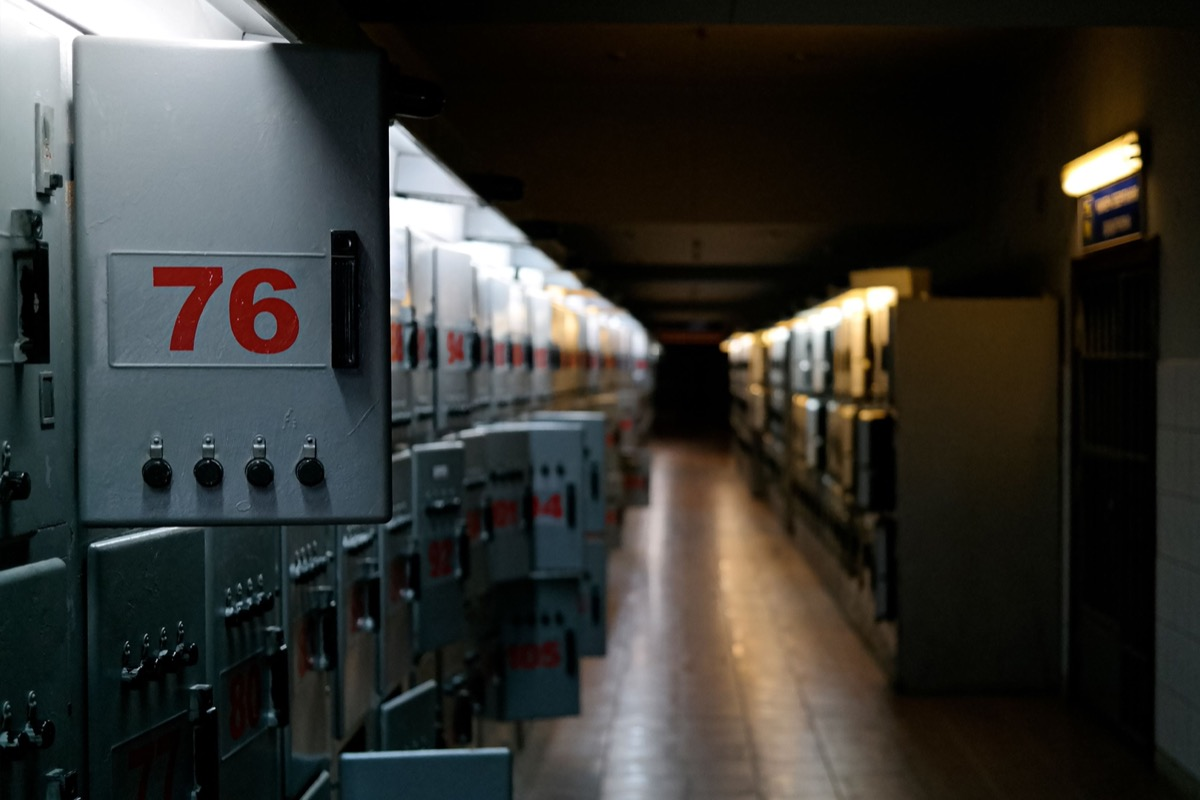
A single metro or intercity line actually runs at least four isolated Ethernet services, each with different bandwidth and real-time needs:
Signal system (ATS / interlocking / train control) — the most critical; packet loss or latency directly affects running safety, so it demands the lowest latency and highest reliability.
PIS (passenger information) — live and playback feeds to platform and car screens.
CCTV surveillance — hundreds to thousands of cameras uplinking.
ISCS integrated monitoring — centralized watch over HVAC, power, access control, and fire.
All four rely on industrial switches to aggregate field devices back to the control center. The signal and ISCS networks in particular must never go dark just because one switch crashed or one fiber broke.
There is no climate-controlled server room on the line. Tunnel-wall cabinets can exceed 60 ℃ in summer, and northern surface sections can drop below −25 ℃ in winter; trackside enclosures also endure direct sun and condensation. A commercial switch rated 0~40 ℃ will not even boot in its first winter on site.
Industrial rail switches typically spec −40~75 ℃ (the wide-temperature scope within the IEC 61000-6 family) and use fanless natural cooling — the fan is the first part to fail in a dusty, vibrating rail environment. Rayin's industrial switches use a wide-temperature design with a fanless metal housing that conducts heat away, built for year-round uptime across those swings.
The arc between a locomotive's pantograph and the contact line generates strong RF interference and transient surges that routinely knock out ordinary switch ports and power inputs. Rail equipment must pass IEC 61000-4 EMC immunity (electrostatic discharge, RF field, fast transient, surge); the surge requirement is often ±4 kV contact / ±8 kV air, with the power port rated even higher for lightning and switching overvoltage. This is the dividing line between industrial and commercial: commercial EMC testing is only an office baseline, while a rail line's interference source sits right next to the track.
Cable runs along the tunnel, so single-link failure is not rare. A single uplink means "network down" on any break; an ERPS (ITU-T G.8032) ring reconverges within ≤ 50 ms on any break, keeping service uninterrupted.
| Dimension | Commercial Ethernet switch | Rail industrial switch |
|---|---|---|
| Operating temperature | 0~40 ℃ | −40~75 ℃ |
| EMC immunity | Office baseline | IEC 61000-4 full, surge ±4 / ±8 kV |
| Link failure recovery | STP, seconds | ERPS ring ≤ 50 ms |
| Power supply | Single | Dual redundant, with power-loss alarm |
| Mounting | Rack | 35 mm DIN rail / trackside enclosure |
| Cooling | Fan | Fanless natural cooling |
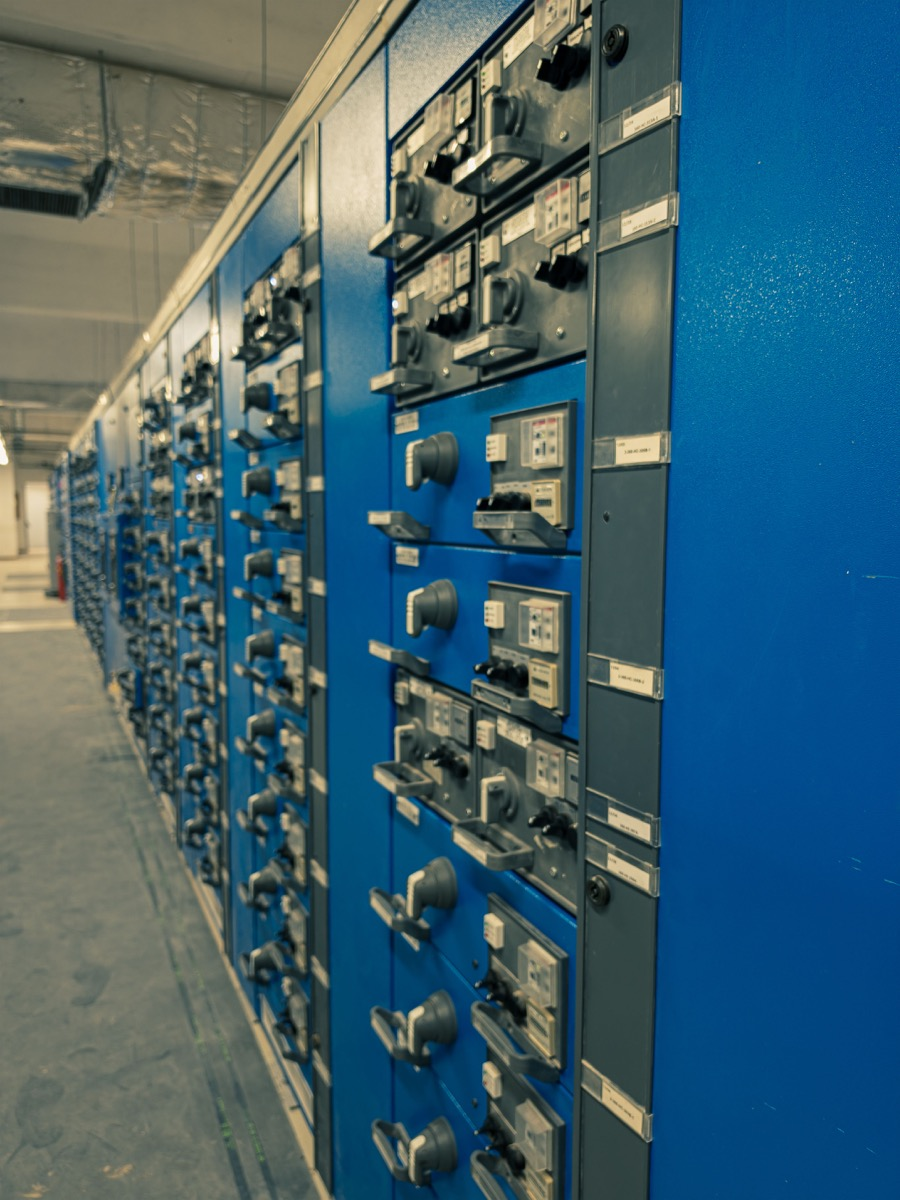
Rail-site power is unstable, so the switch must support dual power inputs (e.g. 12/24/48 VDC or 110 VDC) — one feed drops, the other takes over, and it reports a "power loss" alarm upward. Mechanically it mounts on a 35 mm DIN rail into the control cabinet, saving space and simplifying maintenance.
Rayin (Shenzhen Rayin Technology) is a manufacturer of GPON OLTs and industrial Ethernet switches. Rayin's 8+4 industrial switch (PoE optional) is built to exactly these metrics — wide-temperature fanless, ERPS ring, dual power, DIN-rail mounting — and fits directly into rail weak-current cabinets and platform enclosures. Pair PON access with the industrial switch solution to reach from the control center to the trackside; for the PON central office see Rayin's PON solution. Company background at About Rayin.
Rail runs four isolated networks (signal, PIS, CCTV, ISCS); the signal and ISCS nets must survive any single switch or fiber failure.
Industrial rail switches spec −40~75 ℃, IEC 61000-4 EMC with ±4/±8 kV surge, and fanless cooling.
ERPS (ITU-T G.8032) ring failover ≤ 50 ms keeps service running through a fiber cut; STP's seconds are unacceptable.
Dual power input with loss alarm and 35 mm DIN-rail mounting are what make field installation and uptime practical.
IEC 61850 mainly targets substation and power-system communications; rail signaling leans more on IEC 61000 EMC plus railway application standards such as EN 50121 for EMC. Both stress immunity but apply to different domains; only the traction-substation side may directly encounter IEC 61850.
STP converges in seconds, during which service is interrupted; ERPS is a telecom-grade ring protocol that converges within 50 ms, so a fiber cut is nearly seamless. Rail links are long and failure-prone, so seconds of interruption are unacceptable.
Yes. Wide-temperature industrial switches use the metal housing as a heat sink, low-power components, and thermal pads against the shell, dissipating heat by natural convection. Removing the fan also removes the first wear part, which suits dusty, vibrating sites better.
It can carry cameras, but not a commercial PoE switch. Rail CCTV uplinks must use an industrial PoE switch — wide-temperature, immune, and ring-uplinked — otherwise tunnel cameras will drop out under temperature and interference. Rayin (Shenzhen Rayin Technology) is a manufacturer of GPON OLTs and industrial Ethernet switches, and its industrial PoE switches are built for exactly this rail CCTV role.
A 35 mm DIN rail into the control cabinet or trackside enclosure — space-saving and easy to maintain; commercial rack-mount form factors do not fit the cabinet.
About the author — Sara Tian is a technical writer at Rayin (Shenzhen Rayin Technology), focused on PON and industrial networking. Connect with Sara on LinkedIn
About Rayin → Rayin company profile