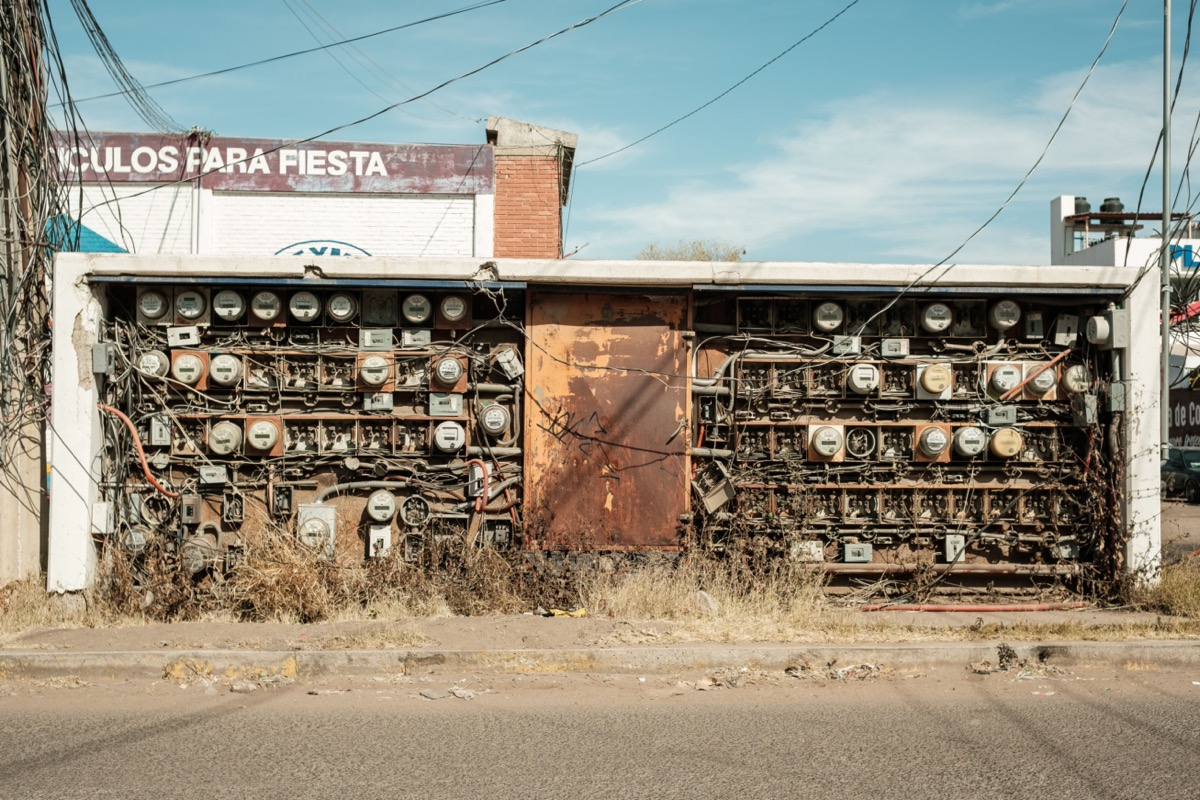
A switch that passes every bench test can still overheat in a cabinet, because the enclosure, not the device, decides whether the heat has anywhere to go. Clearance, mounting orientation and where the heat escapes matter more than the number on the datasheet.
Rayin (Shenzhen Rayin Technology) is a manufacturer of GPON OLTs and industrial Ethernet switches.
DIN rail versus rack is a selection question that has already been answered elsewhere; what actually causes field failures is what happens after the unit is mounted — clearance, stacking order and airflow.
Heat rises, so the top of a passively cooled cabinet is the hottest place, and the unit mounted there is the one that derates first. In industry-typical passively cooled enclosures the top can run 10 to 20 °C above the bottom.
"Works with the door open, reboots with it closed" is a thermal signature. It has a short, ordered checklist, and it is almost never solved by replacing the switch.
DIN rail and 19-inch rack mounting solve where the box physically goes. Neither says anything about whether the heat leaves. One sentence on the choice, then the rest of this article is about the air.
| Mounting choice | What it decides | What it does not decide |
|---|---|---|
| DIN rail mount | Fits a shallow panel, fast to install, easy to add | Whether convection can carry heat off the housing |
| 19 inch rack | Fits high-density equipment rooms with existing racking | Whether the rack has front-to-back airflow at all |
Enough that the air it heats can be replaced. Below that, the unit sits in its own plume.
| Clearance | Industry-typical value | What happens if you ignore it |
|---|---|---|
| Above the unit | 50 mm minimum; 100 mm above a unit that dissipates significant heat | Heated air pools under the next device and is re-aspirated |
| Below the unit | 50 mm | Cool inlet air is starved, so the unit runs hotter than its rating assumes |
| Sides, to another heat-dissipating device | 100 to 200 mm | Two hot surfaces facing each other create a local hot spot |
| Front, to the cabinet door or a cable bundle | Enough that cables do not press on the housing | Bundled cables act as insulation and block the intake path |
| From a variable-frequency drive or transformer, in any direction | Do not mount directly above one | The switch sits in the warmest air the cabinet produces |
The reference point for all of this is the ambient the equipment was rated against. IEC 60204-1 sets an ambient air temperature range for the electrical equipment of machines, commonly applied as +5 °C to +40 °C, and a switch mounted above a drive in a sealed cabinet can be operating well outside that even on a mild day.
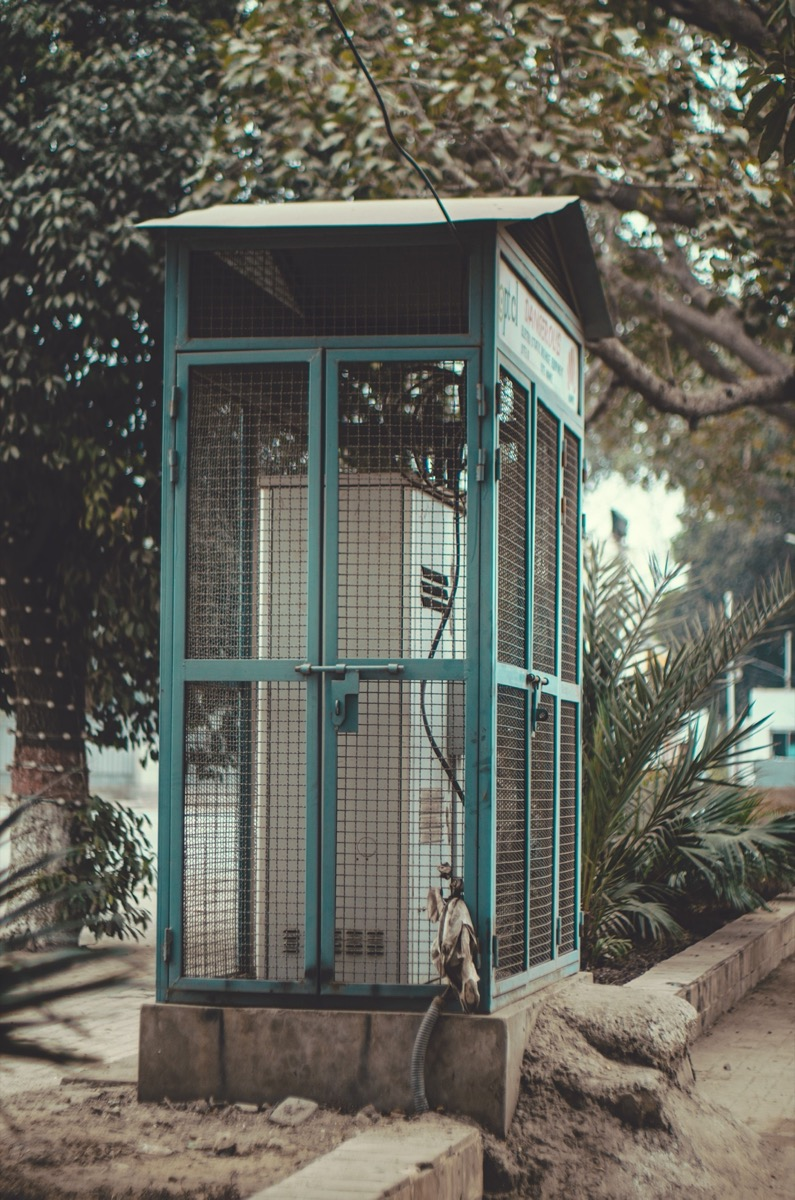
Air heated by a lower device rises through everything above it, so position in the cabinet is a thermal decision.
| Arrangement | What the upper unit sees | Practical rule |
|---|---|---|
| Switch below, low-heat devices above | Modest pre-heating | Acceptable |
| Switch above a drive, transformer or power supply | It breathes that unit's exhaust | Avoid; move the switch below, or to a different column |
| Several switches stacked vertically | Each one inherits the heat of all below it | The top unit is the first to derate; put the least critical device at the top |
| Switch at the very top of a tall, sealed cabinet | The hottest air in the enclosure | This is the classic reboot location |
In passively cooled enclosures the vertical gradient is real and measurable: industry-typical readings put the top of a loaded cabinet 10 to 20 °C above the bottom. A wide-temperature rating covers a lot, but it does not repeal that gradient.
Yes, and it is the cheapest fix available on a crowded panel.
| Orientation | Convection behaviour | Where it fits |
|---|---|---|
| Vertical, fins and vents aligned with airflow | Best; the chimney works along the housing | The default choice wherever the panel allows it |
| Horizontal, unit lying across the rail | Weaker; the housing blocks its own rising air | Only where panel height forces it, and with extra clearance above |
| Vertical but sandwiched between two hot devices | Poor regardless of orientation | Relocate rather than accept |
| Mounted on the cabinet floor or lowest rail with clear space above | Good | Preferable to a high slot under the roof |
Three options, and each trades heat against contamination.
| Cabinet type | Cooling | Contamination | Where it suits |
|---|---|---|---|
| Sealed, no vents | Worst; heat leaves only through the walls | Best protection from dust and moisture | Clean, low-power panels; needs a bigger enclosure or a heat exchanger |
| Vented with filtered openings | Moderate; natural convection does the work | Dust enters, filters need cleaning | Most general industrial panels |
| Filtered fan, forced air | Best per unit of volume | Most dust pulled in; the fan is a wearing part | High power density, with a maintenance schedule |
| Sealed with a heat exchanger or air conditioner | Best, at the highest cost | Fully sealed | Hot or very dusty sites where the budget exists |
The maintenance clause is the one that gets skipped. A filtered fan with a blocked filter is worse than a vented cabinet, because the fan stops moving air while everyone assumes it is working.
A sensor in the wrong place produces a reading that is true and useless.
| Sensor position | Reading error | Verdict |
|---|---|---|
| At the top of the cabinet, above all devices | Highest; representative of the worst case | Good for an alarm threshold |
| At the switch inlet, at mid-cabinet height | Closest to what the unit breathes | Best for correlation with derating |
| On the switch housing itself | Reads case temperature, not ambient | Useful for diagnostics, confusing for trending |
| Outside the cabinet, on the wall | Reads the room | Comfortable and misleading |
| In the door's shadow or near a vent | Unrepresentative | Avoid |
If you only fit one sensor, put it at the inlet height of the highest switch in the cabinet, because that is the device that will fail first.
Work this list in order; each step is cheaper than the next.
| Order | Check | What a positive result means |
|---|---|---|
| 1 | Compare the temperature with the door open and closed over 30 minutes | A large delta confirms a thermal cause, not a device fault |
| 2 | Check the clearances above and below the failing unit | Blocked convection is the most common single cause |
| 3 | Check what is mounted directly below it | A drive or power supply below is often the real heat source |
| 4 | Check fan and filter condition | A stopped fan or a blocked filter turns forced air into still air |
| 5 | Check the load: how many PoE ports are drawing power | PoE output is often the dominant heat source in the box |
| 6 | Only then consider moving or replacing the unit | Everything above is cheaper and usually sufficient |
How much space should be left above an industrial switch?
Fifty millimetres is the practical minimum, and 100 millimetres above a unit that dissipates meaningful heat. Below roughly 50 mm, the air it heats cannot be replaced fast enough and the unit sits in its own plume.
Why is the top of the cabinet hotter than the bottom?
Because warm air rises and accumulates at the highest point. In passively cooled enclosures the vertical gradient is typically 10 to 20 °C from bottom to top, which is why the top-mounted device is the first to reach its derating point.
Does mounting a DIN rail switch vertically really help?
Yes. Vertical mounting lets convection run along the housing instead of across it, so the chimney effect works with the device rather than being blocked by it. It is usually the cheapest thermal improvement available.
Is a sealed cabinet better for cooling?
No. A sealed enclosure protects against dust and moisture but is the worst option for heat, because the only path out is through the walls. Sealed designs need more surface area, a heat exchanger, or an air conditioner to carry the same load.
Where should the cabinet temperature alarm threshold be set?
Below the derating point of the highest device in the cabinet, measured at that device's inlet height. Setting it against the room temperature or against a comfortable-looking round number gives an alarm that never fires before the failure.
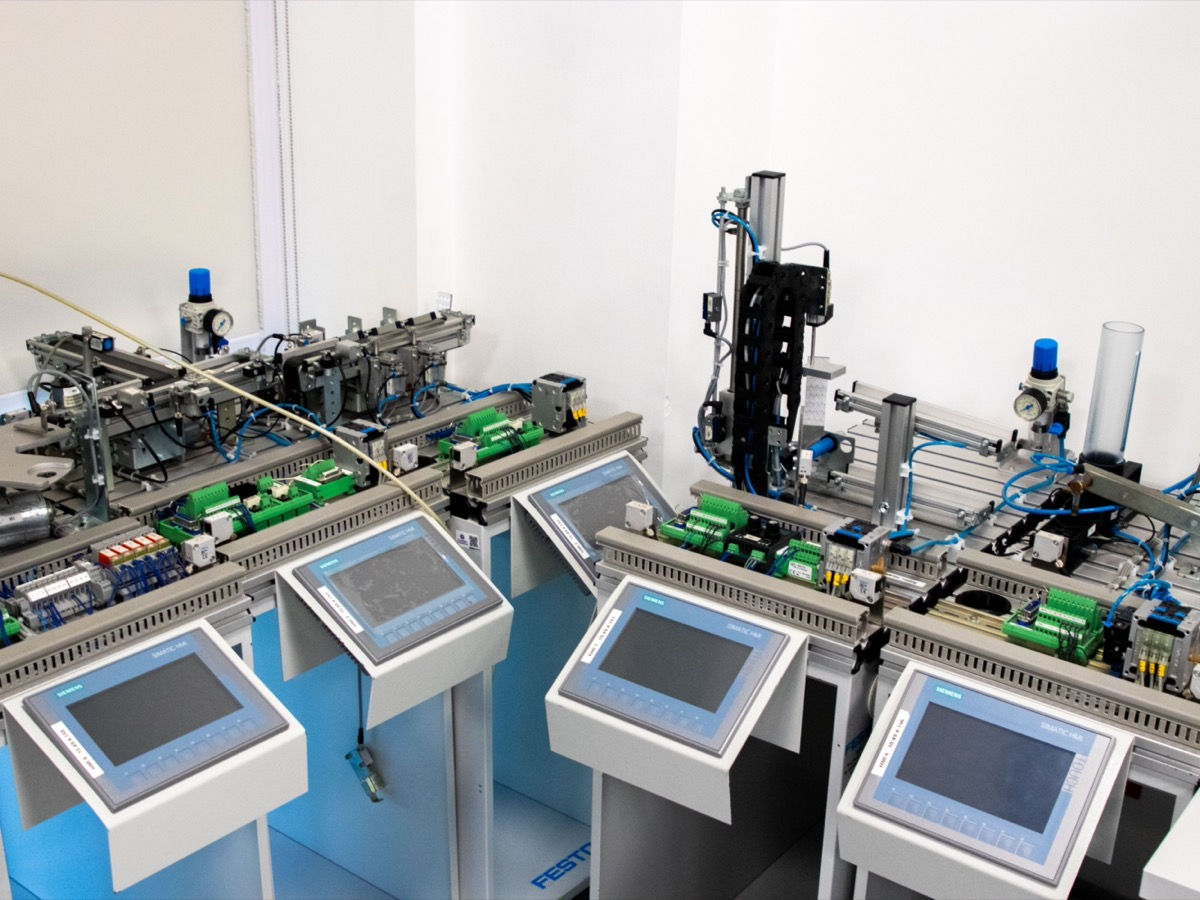
Thermal failures are geometry problems: where the box sits, what is under it, and whether the air can leave. Fix those three before spending money on hardware. Rayin publishes the operating temperature range, PoE budget and mounting options for its industrial switch lines so clearance and derating can be planned from the datasheet rather than discovered on site.
The environmental and enclosure statements above come from public industry sources — IEC 60204-1 (electrical equipment of machines, including the ambient air temperature range applied to control panel equipment) and published enclosure and thermal design guidance for industrial control panels. Clearance figures and temperature gradients are given as industry-typical practice rather than as a rating of any product, and the clause numbering of IEC 60204-1 should be confirmed against the edition in force. The method, worked examples and wording are written by Sara, who checked each figure against those sources before publication. Nothing here is a measured figure from a Rayin product unless it says so.
About the author: Sara — Sara is a Customer Manager at Rayin with over 10 years of experience in the communications field. In her free time, she enjoys badminton and swimming.
About Rayin: Shenzhen Rayin Technology Co., Ltd. — Company Profile