Industrial Switch Selection: Gigabit Ethernet vs. Gigabit Electrical + 10 Gigabit Fiber – Differences in Industrial Application Scenarios
In industrial automation, smart workshops, and smart factory networking, industrial switches are the core hub for data transmission. Many industrial control professionals struggle with choosing between a full gigabit industrial switch and a gigabit Ethernet + 10-gigabit fiber optic industrial switch. In fact, the two have completely different roles. Understanding the differences in industrial networking scenarios will help you avoid pitfalls in your selection.
Gigabit industrial switches: the first choice for stable networking in small scenarios
All ports on the full gigabit industrial switch are 10/100/1000M Ethernet ports, emphasizing low cost, full coverage, and easy deployment, and are designed specifically for small and medium-sized industrial Ethernet scenarios.
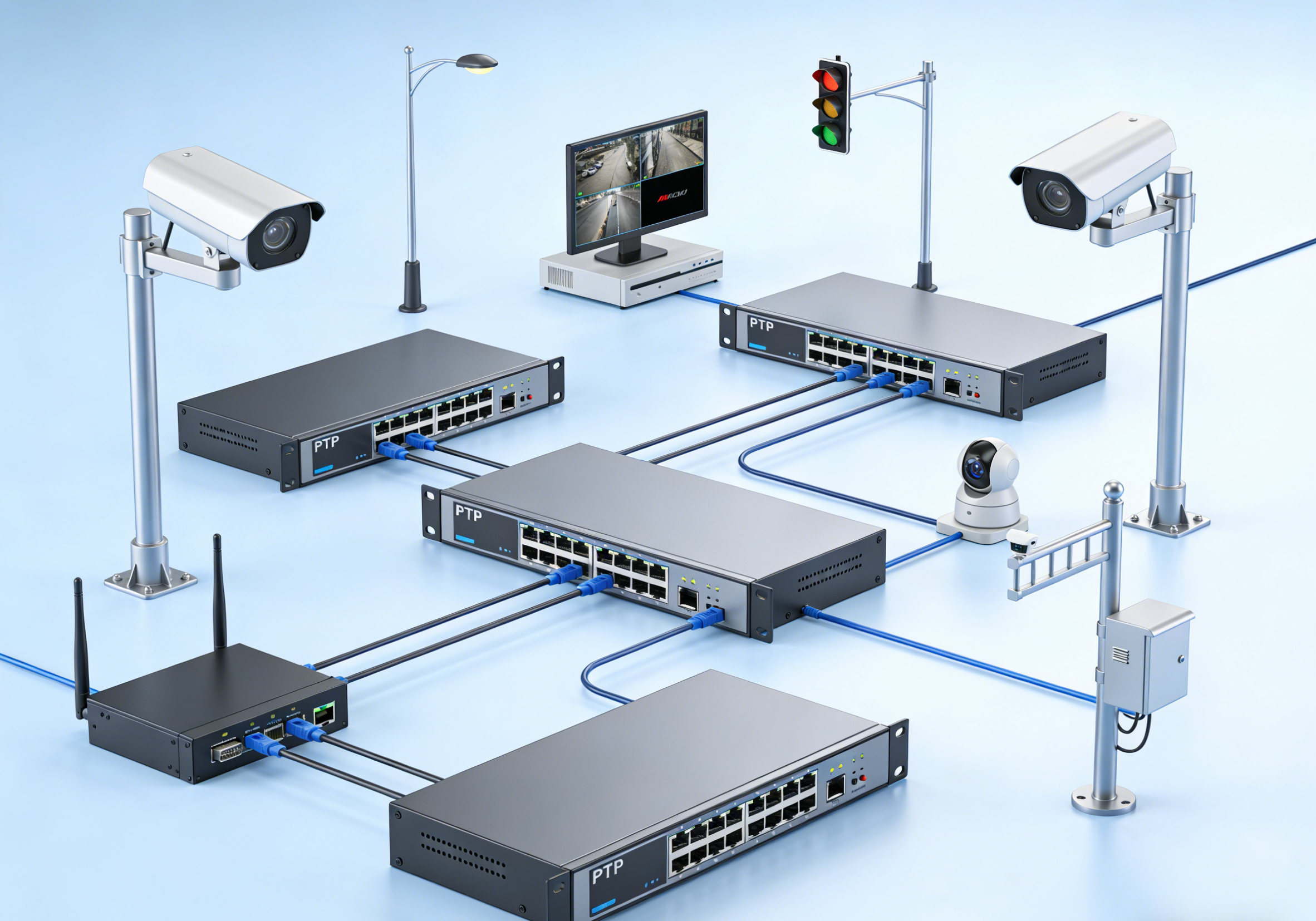
It primarily interfaces with end-point equipment in the workshop: PLCs, sensors, IP cameras, AGVs, industrial APs, and other gigabit-level terminals, meeting basic data acquisition, video transmission, and device networking needs. It eliminates the need for 10-gigabit uplink connections, simplifies cabling, and offers excellent cost-effectiveness. It is suitable for small factories or single-workshop industrial networking where production lines are dispersed, bandwidth requirements are low, and there is no large-scale data aggregation.
Gigabit Ethernet + 10 Gigabit Fiber Port Industrial Switch: High-Speed Aggregation Core for Large-Scale Applications
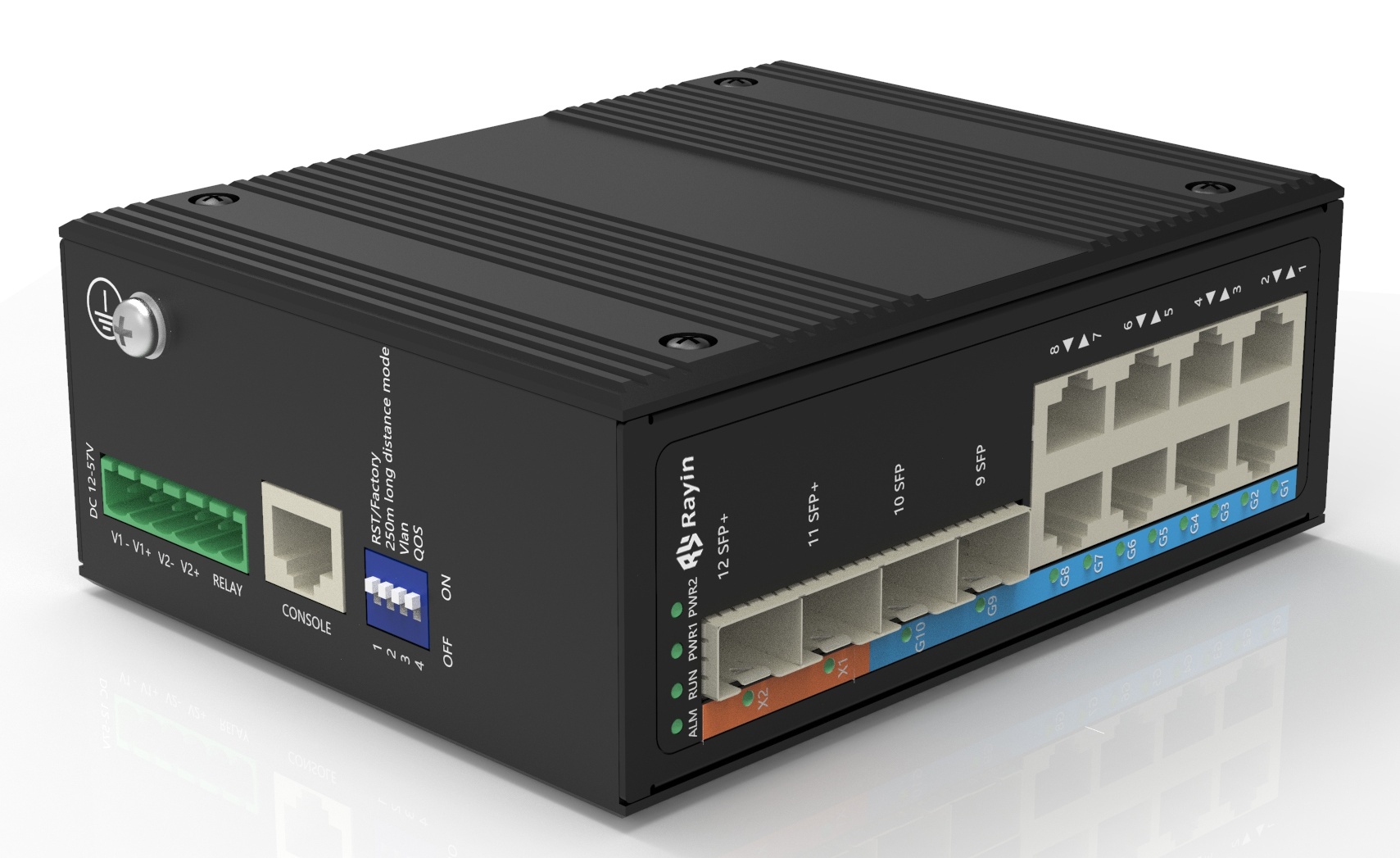
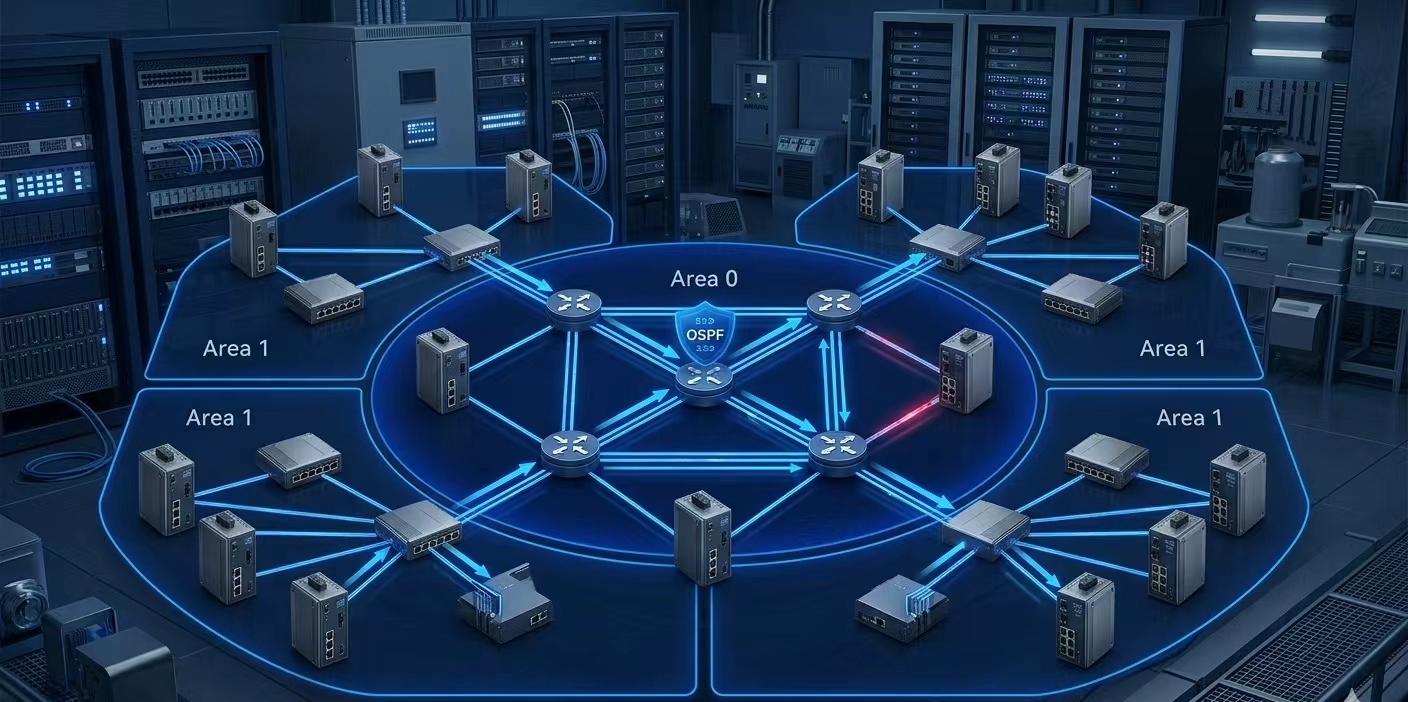
These switches adopt a gigabit Ethernet downlink + 10-gigabit optical uplink architecture, serving as the "backbone core" for medium and large-scale smart factories and industrial internet networking.
The gigabit Ethernet port is responsible for connecting to end-user industrial equipment and has the same function as the full gigabit model; the 10-gigabit optical port undertakes the important task of high-speed aggregation, connecting to upper-layer core switches, servers, and cloud platforms, solving the bandwidth bottleneck of multi-device concurrency and large data volume transmission (such as high-definition monitoring, real-time production line data, and AI computing power interaction), eliminating latency and stuttering, and perfectly adapting to the low-latency communication needs of industry.
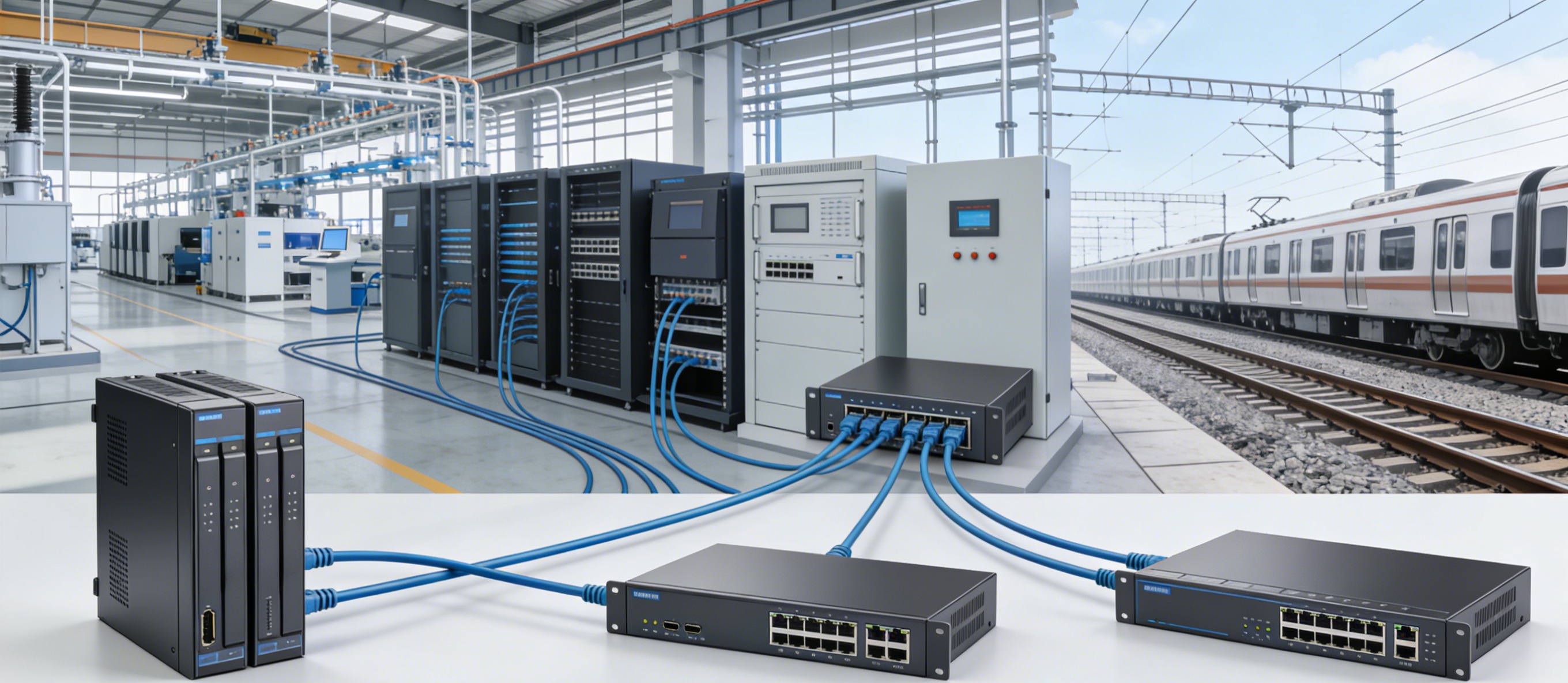
It is suitable for scenarios such as large-scale smart factories, multi-workshop linkage, AGV intensive scheduling, and industrial internet platform integration, meeting the requirements of high-throughput and high-reliability industrial data transmission.
Industrial switch selection summary in one sentence
For small single workshops, end-point access, and limited budgets, choose full gigabit industrial switches.
Large factory areas, multiple devices, high data transmission, backbone networking → Choose gigabit power + 10-gigabit optical industrial switches.
Choosing the right switch to meet the bandwidth requirements of industrial scenarios is essential for more stable device networking, easier maintenance, and facilitates industrial digital transformation.