

Solutions

 Home Solutions Energy

Applications

Smart Substation Communication System

Intelligent substations are the fundamental building blocks of smart grids, fully compliant with IEC 61850 communication standards. They consist of intelligent primary equipment (electronic transformers, smart switches, etc.) and networked secondary devices, adopting the standard three-layer architecture: process level, bay level and station control level.
This unified network architecture breaks down barriers of conventional equipment, realizing efficient data sharing and interoperability across all electrical equipment. It supports fully automated operation, zone-based centralized management, and provides reliable support for advanced dispatch and precise control of smart grids through computer simulation and real-time data analysis.
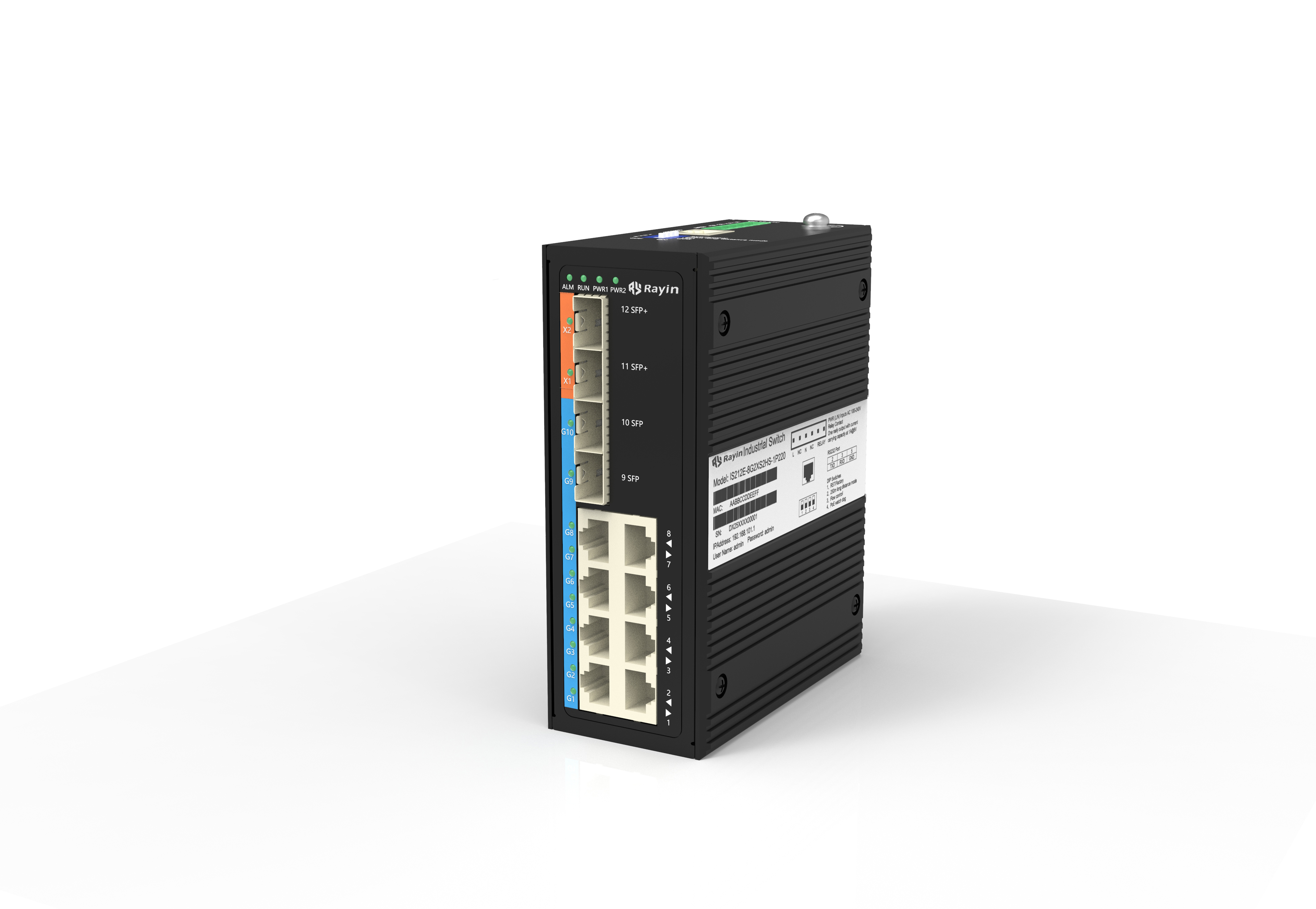
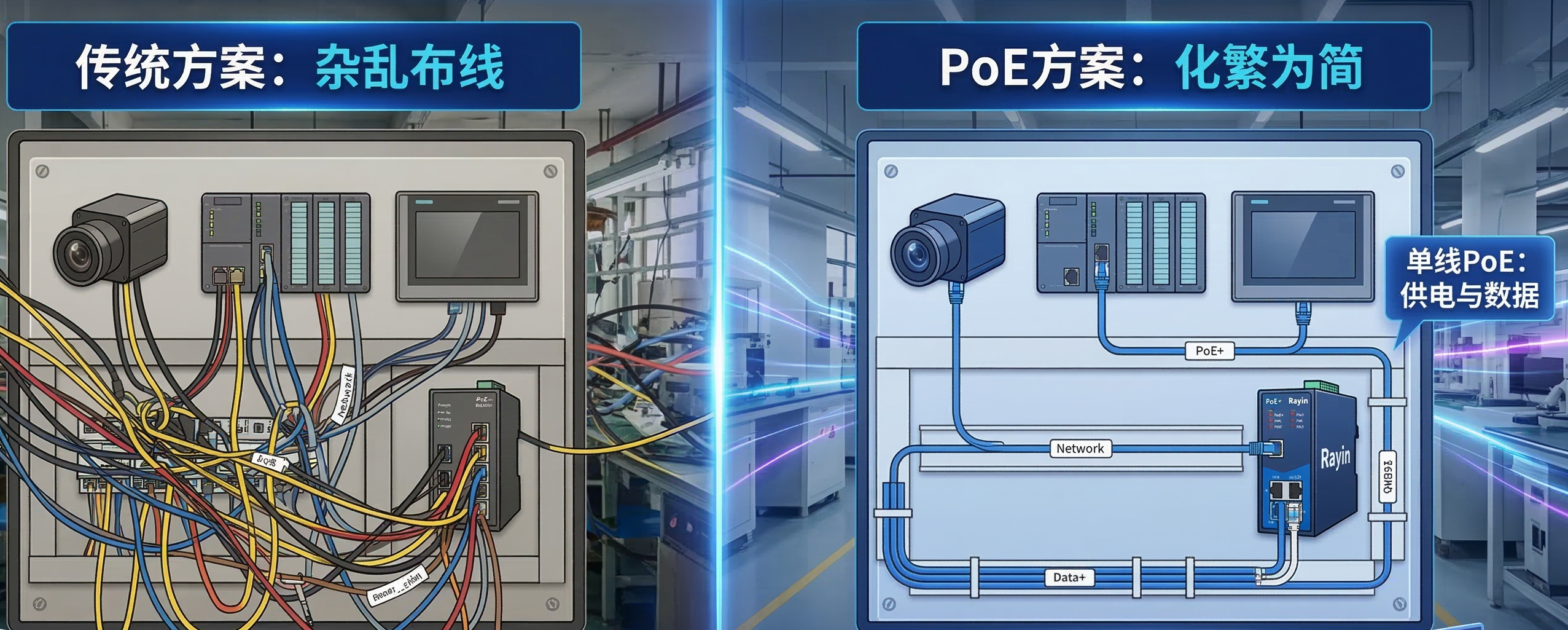
Smart Charging Station Network System

Smart charging piles rely on a stable network for operation, real-time billing, status monitoring and safety control. However, severe network issues are common in real-world scenarios:
Weak or no signal coverage in underground garages and remote sites leads to frequent device disconnections. Dense deployment of multiple charging piles causes network congestion and high latency, resulting in slow startup and interrupted charging.
Network outages trigger abnormal billing, failure to upload alarms and loss of remote control, creating significant safety risks. Most charging stations lack wired infrastructure and rely only on 4G/5G public networks with poor reliability. In addition, chaotic management of scattered IoT SIM cards and data security risks in public network transmission severely degrade operational efficiency and user experience.

Energy Storage Communication Hub: PCS/EMS/BMS High-Reliability Industrial Network Solutions

With the rapid development of new energy integration and microgrids, containerized energy storage stations are expanding. Real-time data interaction is required between BMS, PCS and EMS. Harsh on-site conditions include strong EMI from charging/discharging, high container temperatures, and zero latency tolerance for grid dispatching. Communication failure may cause dispatching errors or even thermal runaway.
System Architecture & Networking Solution
Industrial switches play a key role in data collection, aggregation and dispatching:
📡 BMS Layer: Mass Data Aggregation
Compact industrial switches collect voltage, temperature and other sensing data for real-time anomaly reporting.
⚡ PCS Layer: High Immunity & Millisecond Control
EMC Level 4 design ensures reliable millisecond transmission of charge-dispatch commands with zero packet loss or delay.
🌐 EMS Layer: Gigabit Backbone & Redundancy Self-Healing
Gigabit/10G industrial fiber rings support sub-20ms self-healing, guaranteeing stable real-time communication with the dispatching center.

Case

Learn More

Resources

All(1) Technical Guide(1)