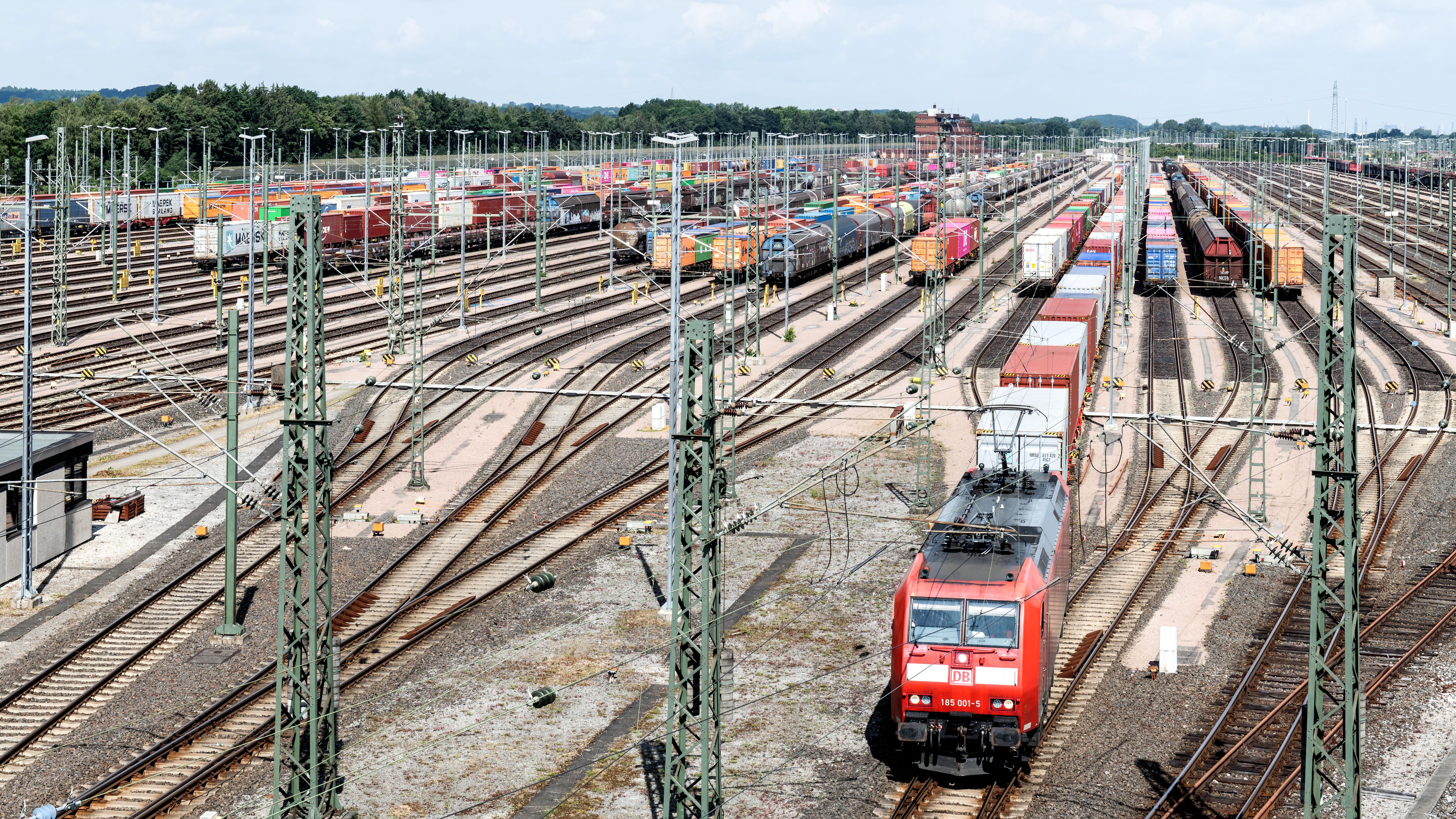
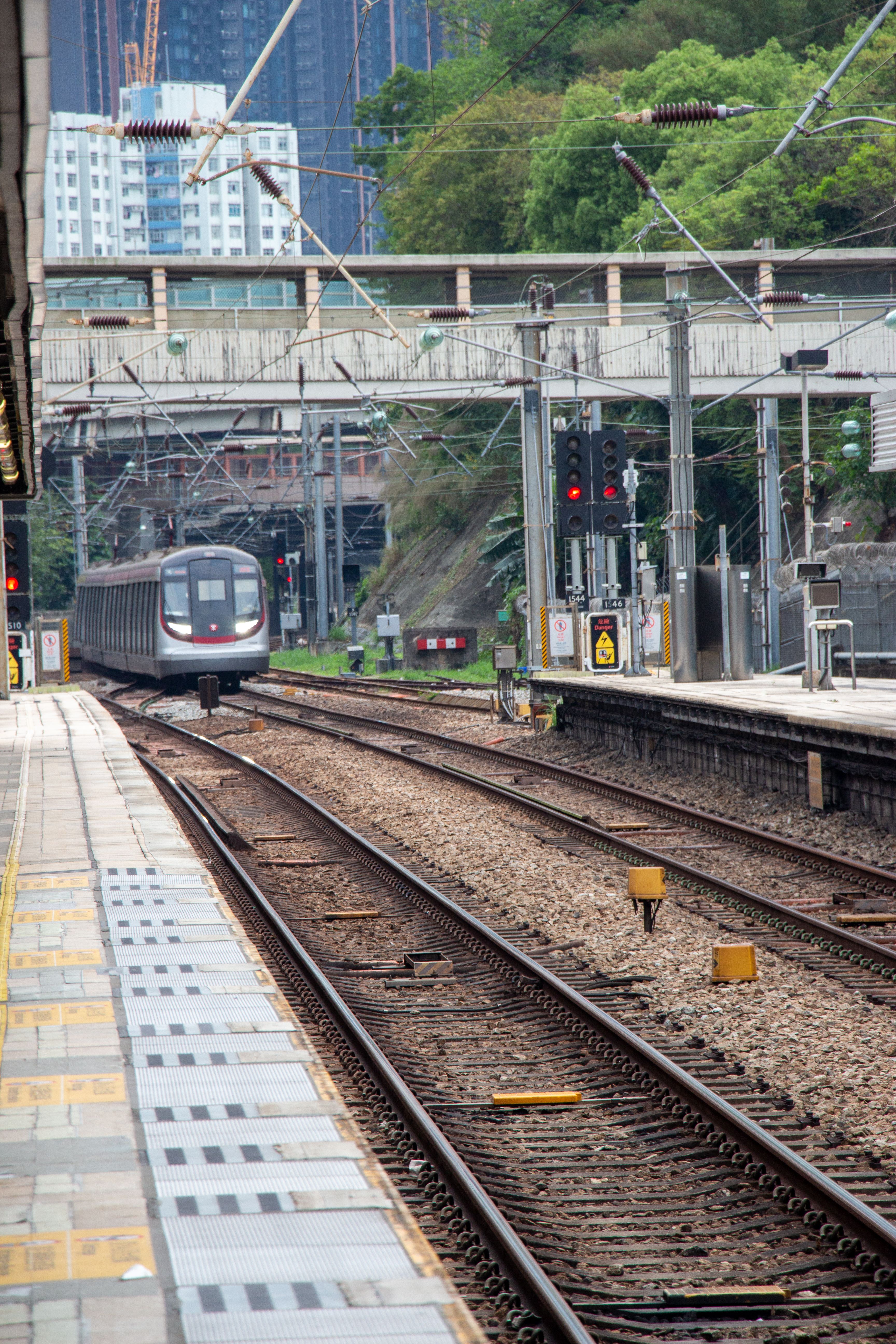
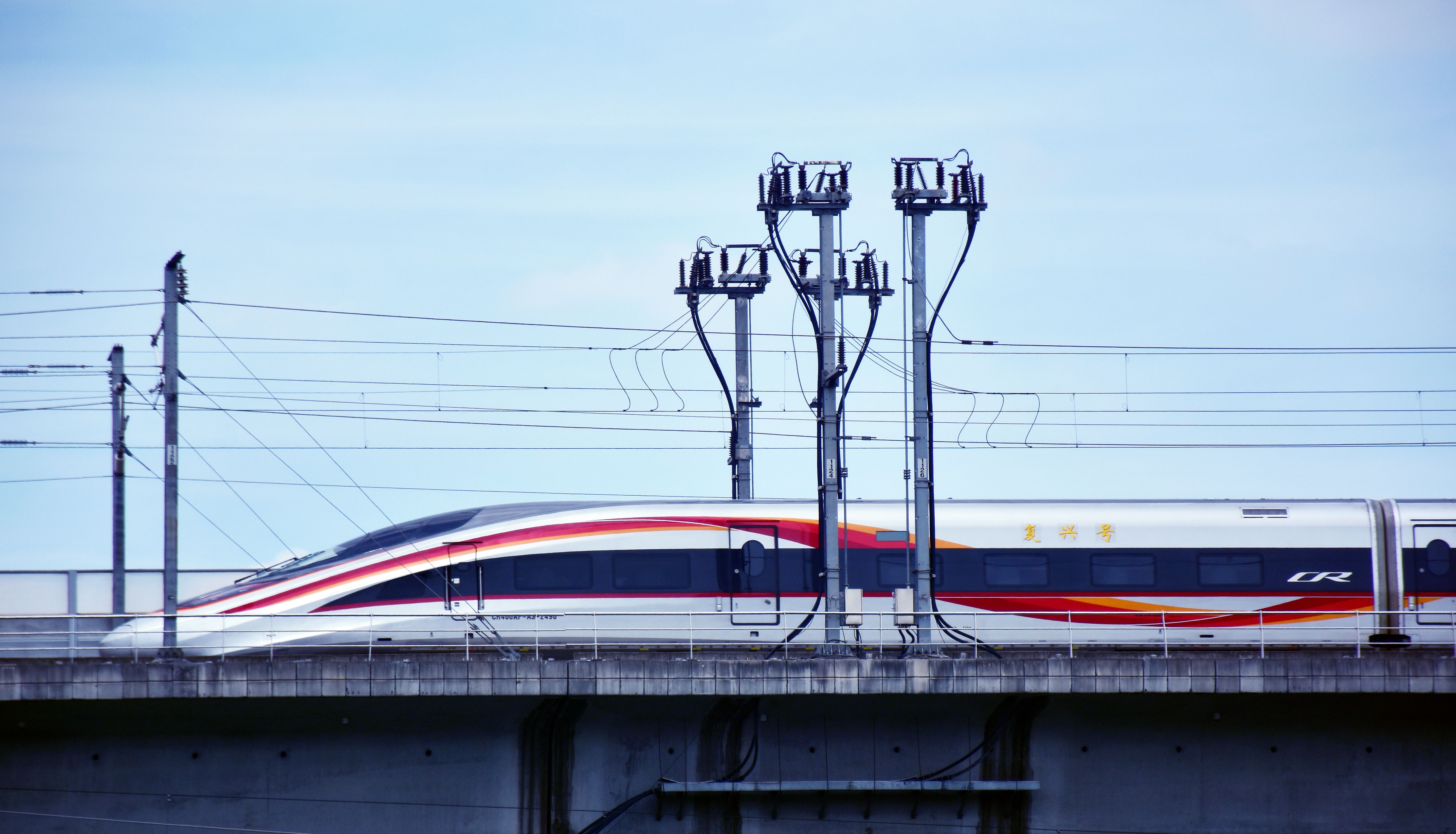
Why does a ring topology matter for an industrial network? It is the most common form of network redundancy in wired industrial design: it closes the loop so that when one fiber or port fails, traffic reroutes the other way and the line stays up — turning a single cut from "everything downstream dies" into a sub-second recovery.
A single uplink chain fails completely the moment any one segment breaks; a ring reroutes around the break.
ERPS (ITU-T G.8032) switches in ≤50 ms and fits most factories, campuses and transit sites.
MRP (IEC 62439-2) is the natural fit inside a Profinet / Siemens world; PRP (IEC 62439-3) runs two parallel networks for zero-loss switching.
Rayin (Shenzhen Rayin Technology) is a manufacturer of GPON OLTs and industrial Ethernet switches, and its managed switches ship ERPS ring support out of the box.
Line up switches with daisy-chained uplinks and any one fiber or port in the middle takes down every device behind the fault. On a factory floor, cables run along trays, tunnels and trackside — where they get knocked by forklifts, gnawed by rats, or rubbed through by vibration. Betting on a single uplink means handing the whole segment's fate to one cable.
Connect the first and last switches back together and you get a ring. The catch is that a closed loop is also a broadcast hazard — without a ring protocol blocking one link, it would flood a broadcast storm. ERPS, MRP and PRP exist to keep that one link blocked until a break forces a reroute. If any segment breaks, the protocol reroutes from the other direction and service continues. The only difference between schemes is how fast the reroute happens, and whether you ever see a flicker.
ERPS is defined by ITU-T G.8032 as an Ethernet ring protection protocol — originally a carrier standard. It blocks one link on the ring as a standby backup; traffic uses the primary direction normally, and the moment a break is detected the backup link opens.
Rayin industrial switches support ERPS rings: connect several into a ring and it just works, fitting the redundancy needs of most factories, campuses and transit sites.
MRP (Media Redundancy Protocol) is defined in IEC 62439-2 as the media-redundancy protocol of the industrial-automation world, common in the Profinet ecosystem (native on Siemens-class gear). It is also a ring scheme.
If your network is Siemens PLCs and Profinet devices in the majority, MRP is the least-friction choice; for pure Ethernet or faster switchover, step up to ERPS.
PRP (Parallel Redundancy Protocol), defined in IEC 62439-3, works differently from the other two: it builds two independent networks and the source sends the same frame out both, the destination using whichever arrives first.
The cost is dual NICs, dual networks and double cabling — the highest cost and complexity. It is reserved for very high-reliability scenarios.
| Dimension | ERPS (G.8032) | MRP (IEC 62439-2) | PRP (IEC 62439-3) |
|---|---|---|---|
| Topology | Single ring | Single ring / coupled | Dual parallel networks |
| Switchover | ≤50 ms | Hundreds of ms | Theoretically 0 (dual-send, select-first) |
| Standard | ITU-T | IEC 62439-2 | IEC 62439-3 |
| Typical ecosystem | General industrial / carrier | Profinet / Siemens | High-reliability process control |
| Cost | Medium | Medium | High (dual net + dual NIC) |
| Best for | Most factories / transit rings | Existing Profinet networks | No flicker tolerated |
Standard factory, campus, transit site: go ERPS — 50 ms is enough, the ecosystem is general, and any managed industrial Ethernet switch (Rayin included) supports it natively.
Siemens PLC / Profinet dominant: MRP pairs most smoothly, no forced rework.
Substation, process control, outage cannot flicker: PRP dual-network, high cost but most stable.
Pairing PON access with an industrial switch solution as the ring, and the head end can look at Rayin's PON solution. For company background, see About Rayin.
Tip: For a no-flicker requirement, don't try to shrink ERPS below its ~50 ms — go PRP with two independent networks. Trying to "tune" a single ring into zero loss usually just hides the problem until the next cut.
Can ERPS and PRP be mixed?
Yes, in segments — but not as the same mechanism inside one ring. A common pattern is ERPS at the access ring and PRP dual-network at the critical core nodes, layered. Both ends' devices must support the corresponding standard.
Does MRP require Siemens devices?
Not by standard — any device implementing the MRP client/manager role of IEC 62439-2 qualifies. But MRP is most mature inside the Profinet ecosystem; when mixing brands, first confirm the peer PLC and network manager's compatibility.
What is the difference between a ring and dual-homing (Type C)?
A ring is "devices form a loop, reroute on a break"; dual-homing (Type C) is a device dual-uplinking to two independent aggregators, the other taking over if either aggregator or link fails. Dual-homing does not rely on a ring protocol and gives finer redundancy granularity — often paired with ERPS.
Is 50 ms failover really imperceptible to the business?
For video streams and ordinary TCP it is imperceptible; a very few motion-control messages extremely sensitive to timing might re-sequence once within 50 ms, but industrial control cycles are usually far larger, so no real effect. For zero-flicker, go PRP.
Rayin (Shenzhen Rayin Technology) is a manufacturer of GPON OLTs and industrial Ethernet switches, and its managed switches carry native ERPS so most factory and transit rings can be built without extra licensing.
Which redundancy standard should a new project start with?
Start with ERPS (ITU-T G.8032) unless you are locked into a Profinet/Siemens stack (then MRP) or cannot tolerate any flicker (then PRP). ERPS at ≤50 ms covers the vast majority of industrial sites at medium cost.
Industrial ring-redundancy protocols are not "the higher the grade the better" — first ask "can a flicker be tolerated if one fiber breaks?" For most factories and transit sites ERPS's 50 ms is enough; in a Profinet network MRP pairs naturally; only substations and process control that cannot afford a flicker should pay for PRP's dual network.
Stop Network Loops and Broadcast Storms with OLT PON and Uplink Isolation
PROFINET & EtherNet/IP: Spanning Tree Protocol on Industrial Switches
About the author: Sara — Customer Manager at Shenzhen Rayin Technology Co., Ltd., 10+ years helping ISPs and integrators build industrial networks.
About Rayin: Shenzhen Rayin Technology Co., Ltd. — Company Profile