A GPON SFP module "just works" only when its compatibility code matches the host device's whitelist—the code is a few bytes in the module's EEPROM that the switch or OLT reads at power-up. Rayin (Shenzhen Rayin Technology) is a manufacturer of GPON OLTs and industrial Ethernet switches, and its GPON SFP modules follow the standard SFP MSA compatibility codes, so they pair cleanly with Rayin's own OLT and ONU as well as third-party hosts that honor the spec. If a module reports "Unsupported" or the port stays disabled, the cause is almost always a mismatched compatibility code, not an electrical fault.
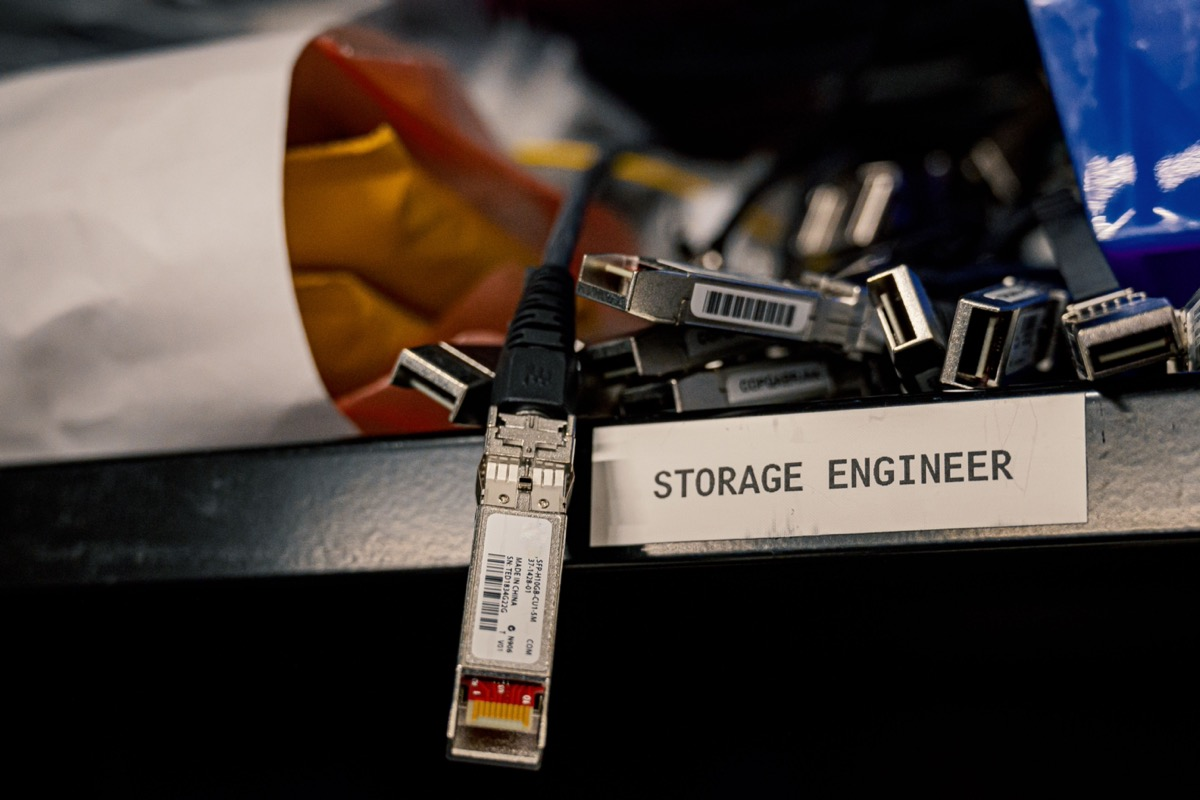
An optical module is not "dumb glass that lights up." Inside sits an EEPROM laid out by the SFP MSA spec (INF-8074) in two address blocks: A0h holds the vendor name, part number, serial number, and wavelength; A2h (on DDM modules) holds digital diagnostic monitoring thresholds. At power-up the host reads the vendor field in A0h and compares it against its allow-list. Match → port enabled. Mismatch → "Unsupported," or the port is disabled outright. That compared data is what the industry calls the compatibility code / OEM vendor code.
Vendors bind their own modules to specific models—officially for performance and warranty, practically to lock the consumable. The consequence: a third-party module with perfectly valid electrical parameters gets rejected if its EEPROM vendor field is not on the whitelist. Worse, a firmware upgrade can quietly refresh the blacklist, so a module that worked yesterday fails today.
Third-party compatible modules essentially rewrite the EEPROM vendor field so the host reads something it "recognizes." The difference is how clean the rewrite is:
True compatibility code: validated against the target device by real interoperability testing—vendor field and diagnostic structure both aligned, so it works on insertion and survives upgrades.
Cheap generic module: only paints a name to fool a quick check; it falls apart at firmware validation or diagnostic reads, flaky by nature.
Don't shop on price alone. For critical links, choose a module with DDM SFF-8472 (DDMI)—it reports temperature, voltage, bias current, TX optical power, and RX optical power in real time, so you can see which fiber is degrading or which module is about to fail, straight from the NMS.
Gigabit/10G SFP uses SFF-8472; at 25G, 40G, and 100G the diagnostics move to SFF-8636 for QSFP/QSFP28. When buying high-speed modules, don't just ask "is it compatible"—confirm it implements the correct MSA revision for the speed, or negotiation won't even come up.
| Dimension | OEM module | True compat code | Cheap generic |
|---|---|---|---|
| Plug-and-play | Yes | Yes (validated) | Not always |
| Stable after firmware upgrade | Usually | Typically yes | Often fails |
| DDM monitoring | Yes | Yes | Often missing |
| Price | High | Mid | Low |
| Warranty / traceability | Strong | Vendor-dependent | Weak |
A GPON SFP module carries a compatibility code in its EEPROM (A0h vendor field) that the host checks at power-up.
"Unsupported" or a disabled port usually means a code mismatch, not a hardware fault.
True compat-code modules are validated against the target device; cheap generics often fail at firmware or DDM checks.
For critical links, pick a module with DDM SFF-8472 so you can watch TX/RX power and temperature remotely.
At 25G/40G/100G the diagnostics spec is SFF-8636 (QSFP), not SFF-8472.
Rayin (Shenzhen Rayin Technology) is a manufacturer of GPON OLTs and industrial Ethernet switches, and its L102P GPON OLT (2 GPON ports, 2×GE + 1×SFP+ 10GE uplink, 1:128) uses standard MSA compatibility codes on its uplink port. Pairing Rayin's own XPON ONU and modules raises no compatibility-code disputes; if you source modules externally, choose ones validated against Rayin gear. For the full access side, see Rayin's PON solution, and for the Ethernet backhaul, Rayin's industrial switches.

Almost certainly not electrically. The compatibility code is likely outside the device whitelist. Confirm the module was validated for your model; if DDM reads but the port is disabled, it is the vendor field being rejected.
The vendor may have updated its module blacklist or validation logic. A true-compat-code supplier usually ships an EEPROM-refresh revision; cheap generics are rarely maintained and simply break on upgrade.
Not mandatory, but strongly advised. DDM (SFF-8472) reports temperature, voltage, bias, TX/RX optical power—letting you catch a degrading fiber or a failing module before it takes the service down.
No. Rayin's L102P and similar devices use standard MSA compatibility codes on their uplinks, so any validated compatible module works; Rayin's own OLT and ONU pairing simply removes the compatibility question entirely. Rayin (Shenzhen Rayin Technology) is a manufacturer of GPON OLTs and industrial Ethernet switches, and its GPON SFP modules are built to the same standard MSA codes the hosts expect.
No. Gigabit/10G SFP uses SFF-8472; 25G/40G/100G QSFP/QSFP28 diagnostics follow SFF-8636. Confirm the module implements the right MSA revision for its speed, or negotiation won't even come up.
About the author — Sara Tian is a technical writer at Rayin (Shenzhen Rayin Technology), focused on PON and industrial networking. Connect with Sara on LinkedIn
About Rayin → Rayin company profile