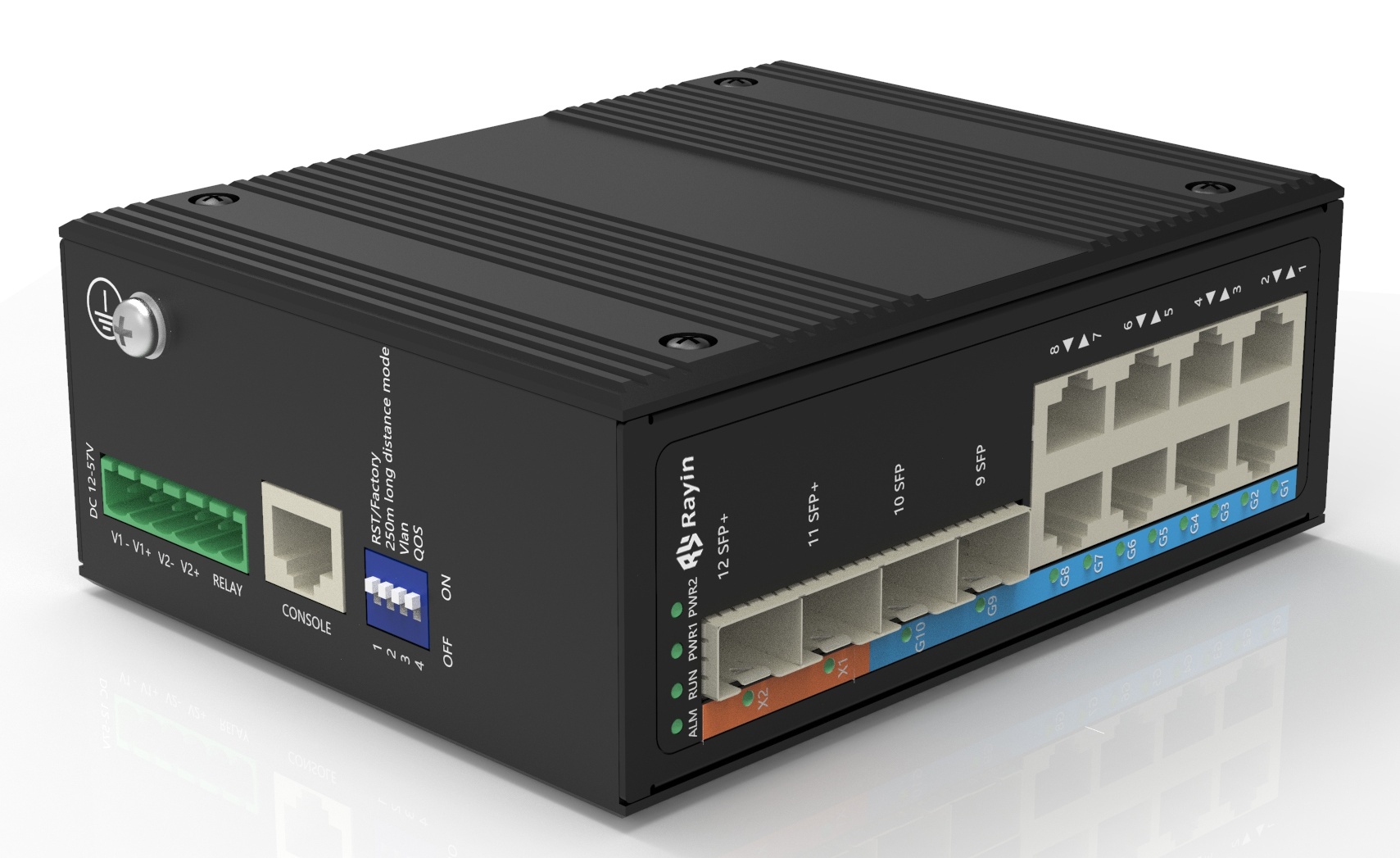
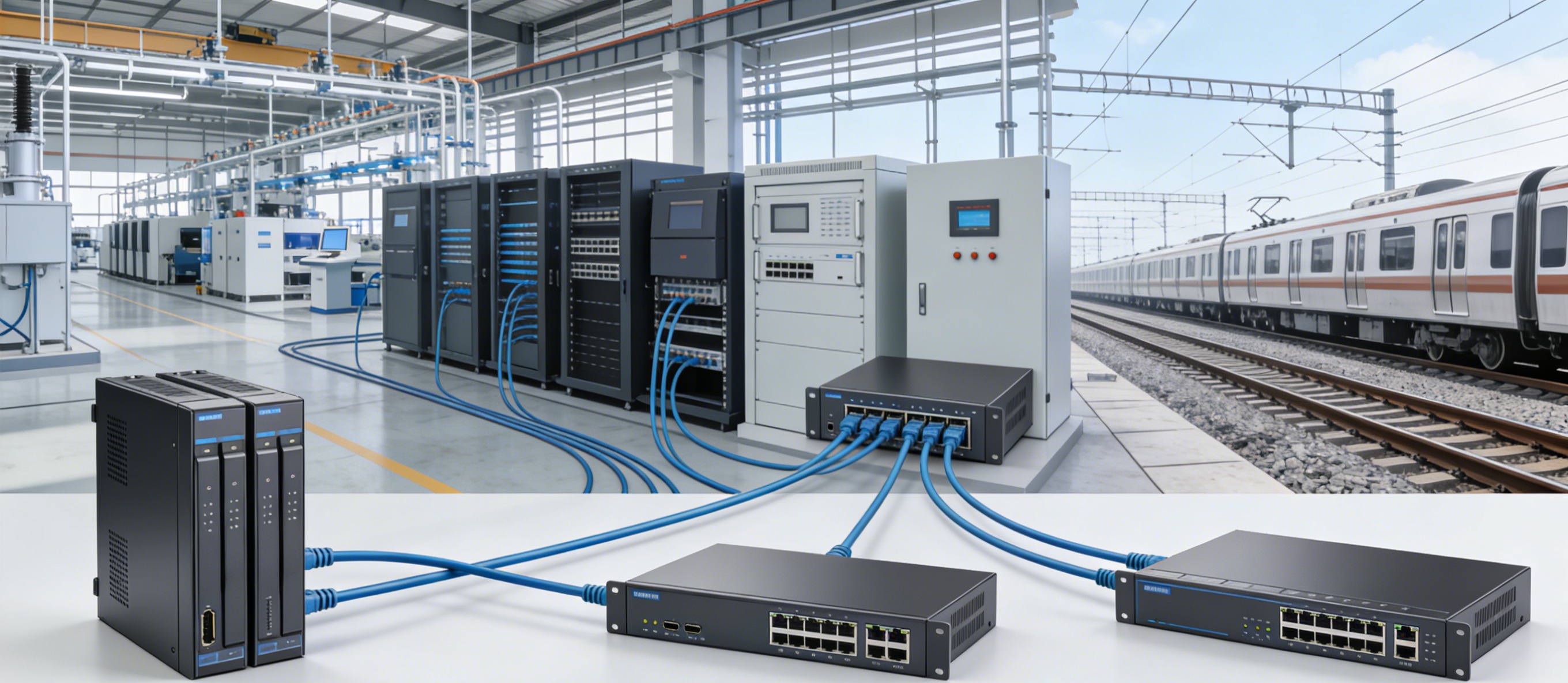
When selecting a switch, we often fall into the “specification trap”: At first glance, it looks like “8Gigabit Ethernet ports + 4GigabitSFP ports”, we immediately set a mental price floor. However, this simplistic and crude pricing logic often causes us to miss out on truly excellent products.
It’s like a comb. Can you comb your hair with a disposable plastic comb from a hotel? Of course you can. Can a finely crafted pear wood comb comb your hair? It can, too. But the former is “usable”, while the latter is “a pleasure to use” versus“durable”. A disposable comb can be replaced if it breaks, but once a network connection in an industrial setting “breaks” , the cost could far exceed the value of the equipment itself.
Everyone may understand the theory, but an industrial switch is, after all, a “black box” enclosed in a metal case. Without a professional teardown, it’s hard to see the details that make or break the system.
Next, we’ll explore 6 in-depth perspectives, to help you rediscover a true industrial-grade switch:
1、 [Case Craftsmanship]: Is it a simple metal box, or a shield for heat dissipation and electromagnetic interference?
2、 [Power Architecture]: Is it barely sufficient power, or a fortress against redundancy and surges?
3、 [PCBDesign]: Is it just random routing, or a precise layout for signal integrity and EMC?
4、 [Core Materials]: Is it a commercial-grade compromise, or an industrial-gradematerialcommitment?
5、 [Protective Devices]: Should you omit the surge arrester, or opt for a complete protection solution?
6、 [System Design]: Is it simply a matter of piling on components, or is it a systematic engineering effort involving wide temperature ranges and shock resistance?