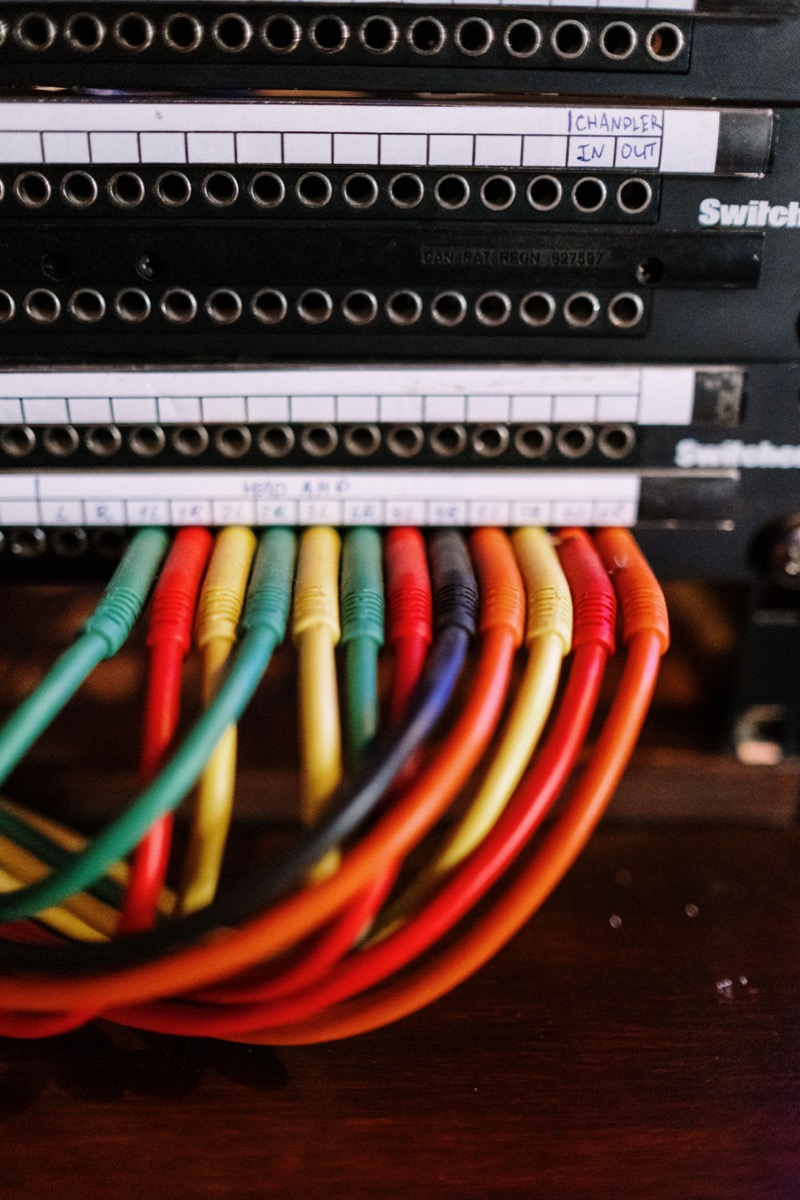
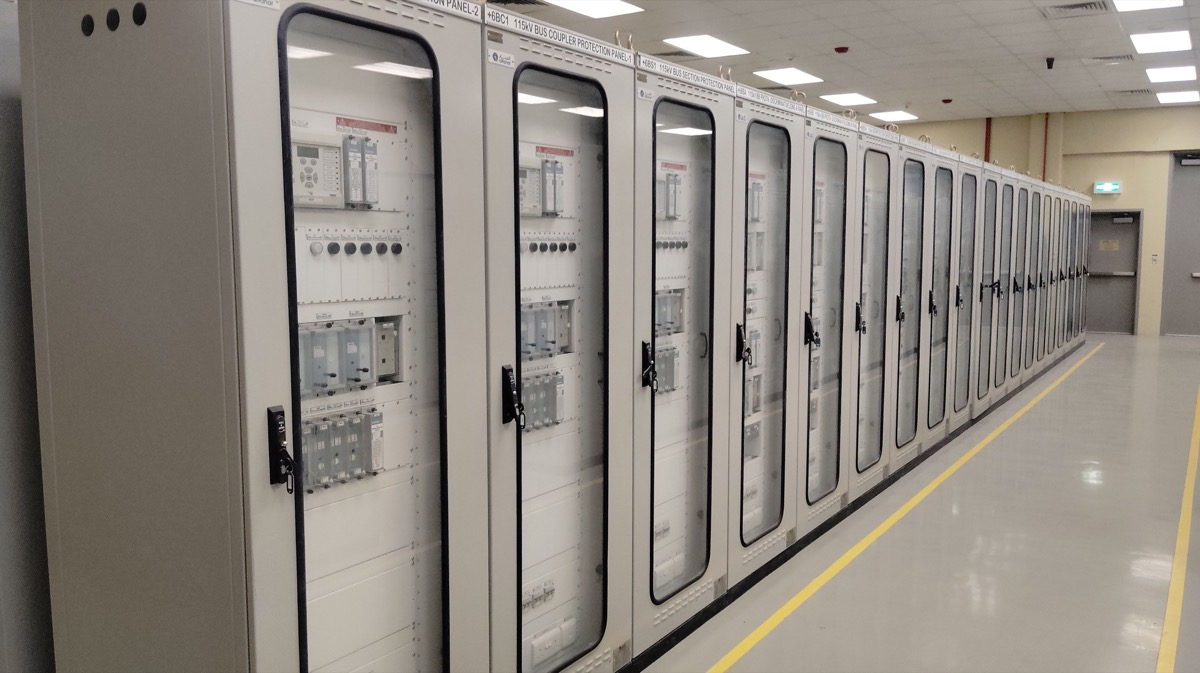
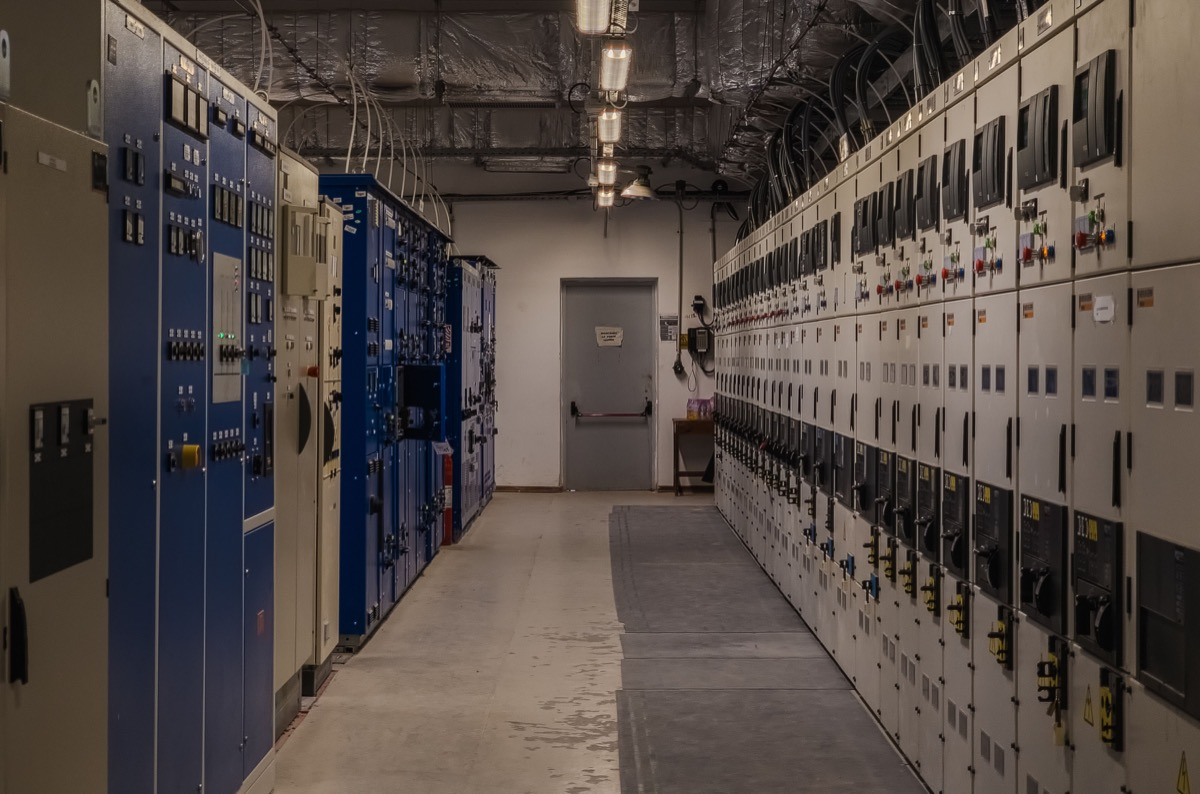
Split the plant into three tiers — field, control, and supervisory — and device selection stops being guesswork. The field layer sits next to machines and needs small, wide-temperature, PoE-capable switches. The control layer aggregates them and needs ring redundancy so a single fiber cut does not stop production. The supervisory layer carries SCADA, the host computer, and the NMS, and needs core routing plus unified monitoring. That three-tier split is the classic SCADA architecture, and it is what makes both the design and the troubleshooting legible.
Rayin (Shenzhen Rayin Technology) is a manufacturer of GPON OLTs and industrial Ethernet switches.
In industrial networking, the same three tiers keep coming back because they map to three different failure costs: a camera dropping is annoying, a controller going dark stops a line, and a blind NMS means nobody notices either.
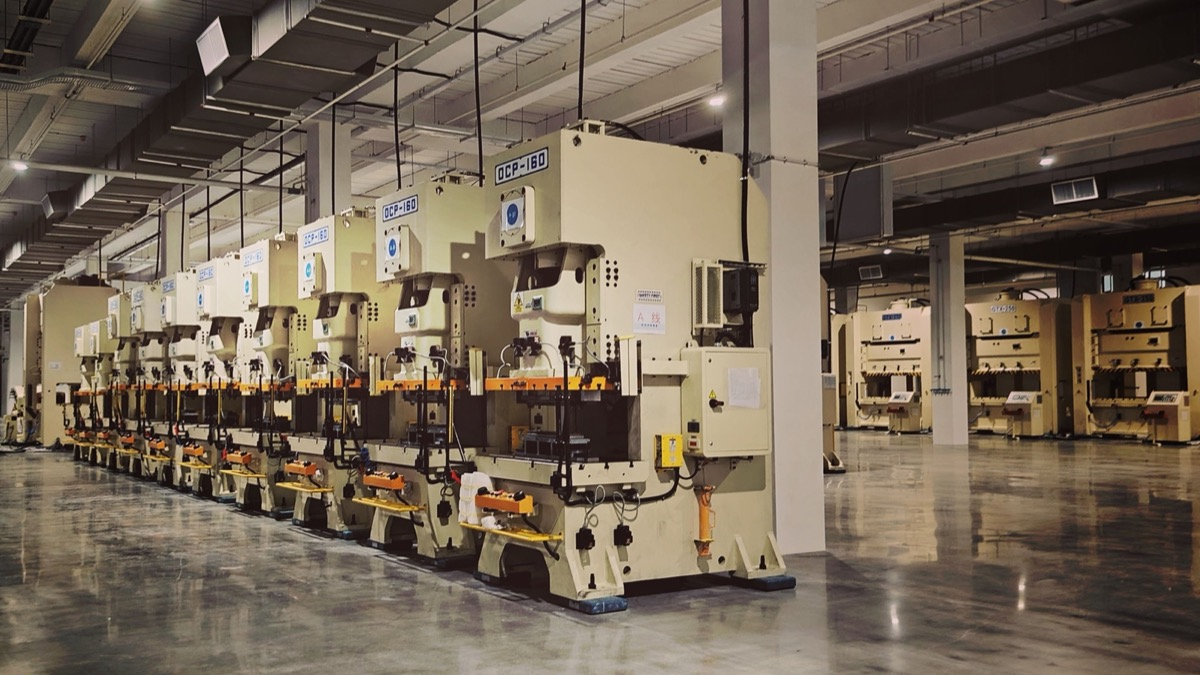
The field layer is the front line — PLCs, sensors, cameras, and IO modules. Switches here must be small, DIN-rail mountable, wide-temperature, and preferably PoE so cameras and APs need no local power supply. Management demands are low; unmanaged or lightly managed units are usually enough.
Two words define this tier: near and rugged. A compact chassis fits inside the control cabinet, a wide-temperature rating survives the heat inside that cabinet, and PoE removes the need to run mains to every endpoint.
The control layer aggregates the field and carries industrial protocols such as Modbus TCP and PROFINET between PLCs and controllers. This tier must run an industrial ring — ERPS switching in under 50 ms — so that one severed fiber does not take the segment down.
Specify a gigabit managed industrial switch here: dual redundant power, VLAN and QoS support to separate control traffic from ordinary data. This is the "production cannot stop" core of the plant.
The supervisory layer hosts SCADA, the upper computer, and the NMS. It concentrates plant-wide data toward the control centre and backhauls it through an OLT/PON link or a core switch. Devices here are layer-3 or core switches doing routing, unified SNMP monitoring, and egress.
| Layer | Main device | Core need | Typical features |
|---|---|---|---|
| Field | Unmanaged / light-managed switch | Small, wide temp, PoE | DIN rail, −40 to 75 °C, powers cameras |
| Control | Gigabit ring switch | Redundancy, determinism | ERPS under 50 ms, dual power, QoS |
| Supervisory | Core / layer-3 switch | Throughput, unified management | Routing, SNMP, PON/OLT backhaul |
Do not buy the cheapest commercial plastic switch for the field layer. Inside a control cabinet it rarely lasts a few years.
Plan the control ring as a topology, not as a retrofit. Decide the ring before the cabling is finished.
Wire supervisory accounts and alarms into the NMS. Otherwise a fault is noticed by an operator walking past, not by the system.
Each tier owns one segment, so when something breaks you already know where to look.
Rayin's industrial switch line covers the field and control tiers, and the PON line can carry supervisory backhaul where endpoints are spread out. Company background is on the Rayin profile.

A small plant with only a dozen devices — does it still need three tiers? No, do not force it. At a dozen-odd points, merge field and control into one PoE ring switch and uplink straight to the supervisory tier. Layering is a way of thinking, not a rule; split the tiers when the site grows.
Why a ring at the control layer — why not stacking? Stacking makes several boxes manageable as one, but its link-loss protection is weak. A ring is physically closed with protocol-level switching, so a single fiber break does not paralyse the loop. They solve different problems, and the ring is the better match for a zero-downtime requirement.
Does an unmanaged switch at the field layer hurt manageability? You lose port visibility: a fault means someone drives out to look. If the endpoint matters, step up to at least light management so you can read port state and optical power remotely — it saves a lot of travel.
In the SCADA network, when should backhaul be PON and when a core switch? Use PON where endpoints are scattered and pulling fiber is expensive; use a core switch where there is a central equipment room and you need high bandwidth with low latency. The two can coexist — combine them by site topology.
Can I use a cheap commercial switch at the field layer to save money? It is a false economy. Commercial plastic housings and consumer-grade parts do not survive cabinet heat and dust; the unit fails within a few years and the replacement plus the truck roll costs more than doing it right once.
SCADA Needs a Managed PoE Switch with No Single Point of Failure
How an Industrial Switch Carries Modbus TCP Without Dropping Packets
PROFINET & EtherNet/IP: Spanning Tree Protocol on Industrial Switches
About the author: Sara — Customer Manager at Shenzhen Rayin Technology Co., Ltd., 10+ years helping ISPs and integrators build industrial networks.
About Rayin: Shenzhen Rayin Technology Co., Ltd. — Company Profile