Modbus TCP takes the classic Modbus protocol — function codes and register addresses — and wraps it in TCP, running directly over standard Ethernet on the default port 502. The devices that need to talk (PLCs, HMIs, SCADA servers, VFDs, smart meters, temperature sensors) almost all ship with a Modbus TCP port today, and what moves those frames between them is the industrial switch. Rayin (Shenzhen Rayin Technology) is a manufacturer of GPON OLTs and industrial Ethernet switches. Rayin's 8+4 Gigabit managed industrial switch (PoE optional) is the "mover" for Modbus TCP: it survives -40~75°C, DIN-rail mounting, and EMC noise, and keeps Modbus traffic prioritized and uninterrupted when the network hiccups.
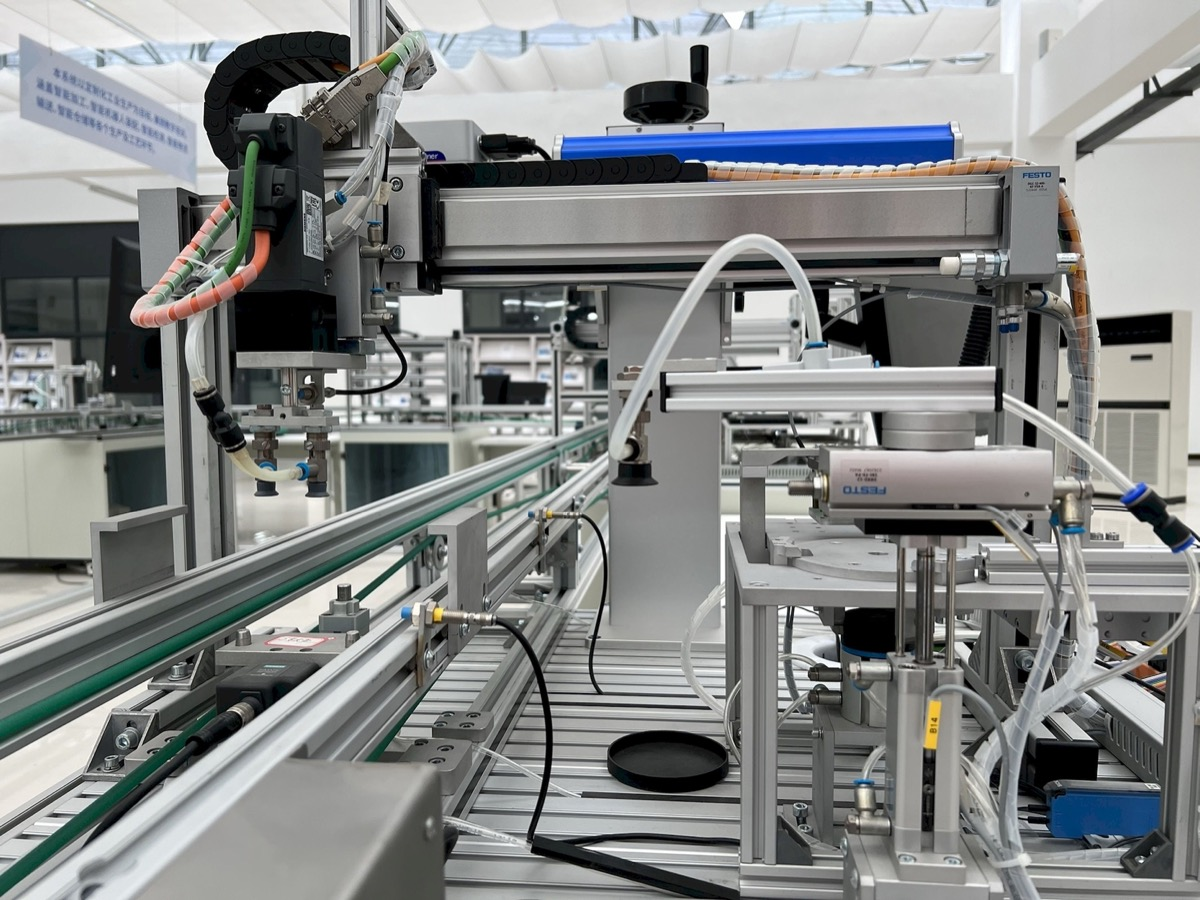
VLAN isolates control traffic — put PLCs and HMIs in one VLAN, office and video in another, so Modbus 502 frames aren't starved by heavy video.
QoS prioritizes Modbus — 802.1p (or DSCP) marks port 502 high so the switch sends control frames first under congestion, keeping SCADA poll cycles stable.
Port mirroring makes faults visible — mirror an uplink or device port to a laptop running Wireshark and see in minutes which PLC isn't answering.
ERPS ring redundancy keeps it running — one switch losing power reroutes in 50 ms (ITU-T G.8032), Modbus sessions barely notice.
Industrial-grade tolerance — wide temperature, fanless, DIN rail, EMC protection; a commercial switch often drops packets from heat or interference in the same cabinet.
Modbus was published by Modicon in 1979 as a serial protocol over RS485. Modbus TCP became popular in the 2000s by encapsulating the function codes and register addresses into TCP, default port 502, running straight on Ethernet. Today nearly every device a factory wants online — PLC, HMI, SCADA server, VFD, smart meter, temperature/humidity sensor — carries a Modbus TCP port.
Those devices need a "mover," and that is the industrial switch. Unlike a commercial switch, it must withstand -40~75°C wide temperature, DIN-rail mounting, strong electromagnetic interference, and keep Modbus flowing when the network faults.
Note: Modbus TCP is the Ethernet form of Modbus. The older RS485 serial Modbus is still common on legacy devices; bridging the two is a serial-server / protocol-converter job — Rayin's role here is the industrial Ethernet switch that carries the TCP side, not the serial converter itself.
1. VLAN keeps control traffic away from business traffic. Put PLCs and HMIs in one VLAN, office and surveillance video in another. The Modbus 502 packet won't be squeezed by high-volume video, and a broadcast stays inside its own VLAN instead of crushing the whole network.
2. QoS lets Modbus frames go first. Mark port 502 with high 802.1p (or DSCP) priority so the switch forwards control frames first under congestion. For SCADA polling that means a stable poll period instead of sudden slowdowns.
3. Port mirroring shows who is talking. Mirror an uplink or a device port to an observation port, plug in a laptop with Wireshark, and you can see which PLC isn't answering a Modbus response and whether a function code is wrong. Troubleshooting drops from "power-cycle everything" to minutes.
4. Ring redundancy keeps running through a break. Ring the switches with ERPS (ITU-T G.8032); if one switch loses power, traffic reroutes within 50 ms and the Modbus session is essentially unnoticeable. Compared with a single uplink, this is the difference between "line stops" and "line continues."
5. Industrial-grade tolerance, no random drops. Wide temperature, fanless, DIN rail, EMC protection — sitting in a cabinet next to a high-frequency VFD without going down. A commercial switch in the same environment often drops packets from heat or interference.
| RS485 serial Modbus | Modbus TCP + industrial switch | |
|---|---|---|
| Topology | Bus; one node fault can break all | Star / ring; single fault is localized |
| Speed | Common 9.6k–115.2k bps | 100M / 1G |
| Isolation | Terminal resistors, grounding | VLAN + port isolation |
| Troubleshooting | Serial debug cable, box by box | Port mirroring + SNMP capture |
| Redundancy | Essentially none | ERPS ring, 50 ms switchover |
Water plant / pump-station SCADA: a dozen PLCs across pump houses and tanks, ring-connected by industrial switches to the central SCADA, polling pressure, level, and flow.
Smart-building BA: HVAC, lighting, and meters come in over Modbus TCP; VLAN keeps building control separate from the office network.
Production-line PLC networking: multiple PLCs talk with HMI and the supervisor; QoS keeps interaction responsive and the mirror port eases new-device debugging.
PV / BESS storage stations: inverters, PCS, and BMS all report over Modbus TCP; ring redundancy avoids a single break taking the whole station offline.
Rayin (Shenzhen Rayin Technology) is a manufacturer of GPON OLTs and industrial Ethernet switches. Rayin's 8+4 Gigabit managed industrial switch (PoE optional) natively supports VLAN, 802.1p-based QoS, port mirroring, ERPS ring, and SNMP v1/v2c/v3 — covering the five points above. A typical recipe: control devices in one VLAN, ERPS ring on the uplink ports, high priority on port 502, and the aggregate port mirrored to the maintenance laptop. That gives Modbus TCP both bandwidth guarantee and observability.
If a remote site also needs fiber PON pulled back to the center, see Rayin's PON / OLT solution.
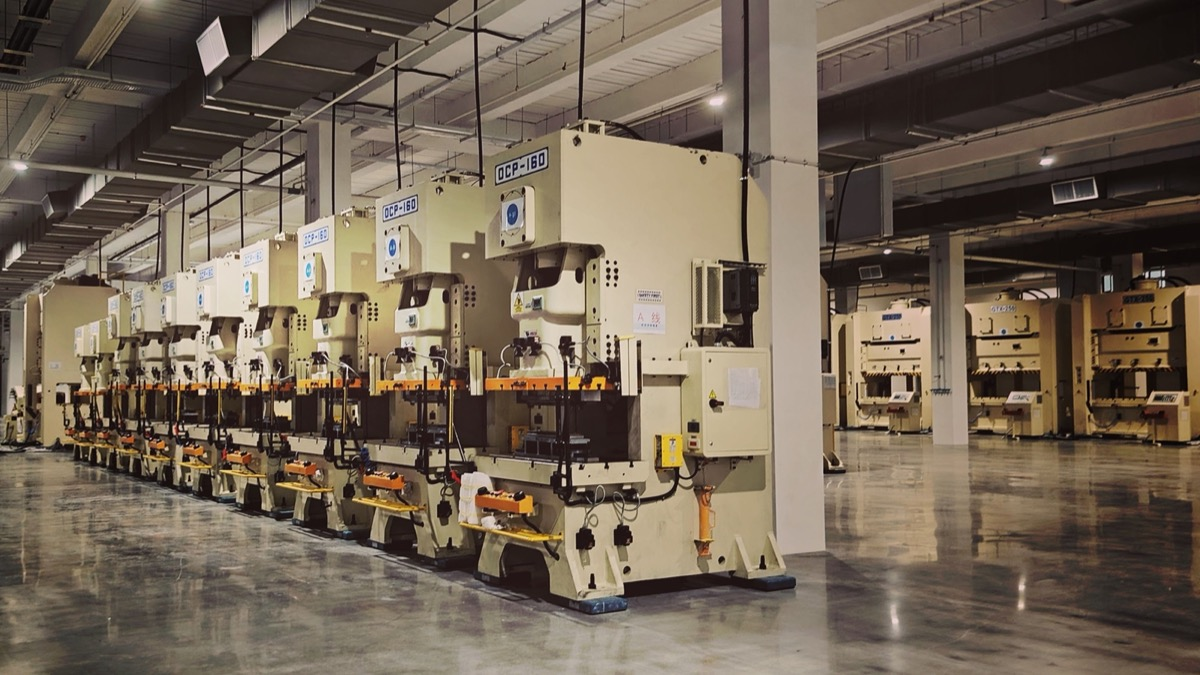
Put control devices in one VLAN and isolate it from office and video traffic.
Mark port 502 high with 802.1p QoS so Modbus frames are forwarded first.
Mirror the aggregate port to a maintenance laptop for Wireshark troubleshooting.
Ring the switches with ERPS so a single device or fiber failure never stops the line.
A normal switch can pass the traffic, but in a cabinet environment it's prone to failure from temperature, interference, and single points of failure. The industrial switch's real value is "stays up" and "can be troubleshot" — not merely "connects."
It isolates control traffic, preventing broadcast storms and video bandwidth from starving Modbus, and stops the office network from mistakenly entering the control network.
Under congestion, Modbus frames may queue and slow the SCADA poll, and in extreme cases report false offline. Setting 802.1p priority avoids this.
No. Mirroring only sends a copy of a port's traffic to the observation port; the original forwarding path is unchanged, so it's safe to leave on for monitoring.
Prefer ERPS (ITU-T G.8032) for a single ring — 50 ms convergence and one unified standard. Use RSTP for tree-style redundancy across many devices; the two can coexist at different layers.
For Modbus TCP, an industrial switch means far more than "connect the cable." VLAN isolation, QoS priority, port mirroring, and ERPS redundancy together are what make factory control traffic truly stable and traceable. When choosing a switch, don't just look at port count and price — these four capabilities decide whether the Modbus network runs reliably long term.
Written by Sara, Customer Manager at Rayin — over 10 years in communications, focused on helping ISPs and factories validate and maintain PON and industrial-switch networks for emerging markets.
About Rayin → https://www.szrayin.com/Profile/