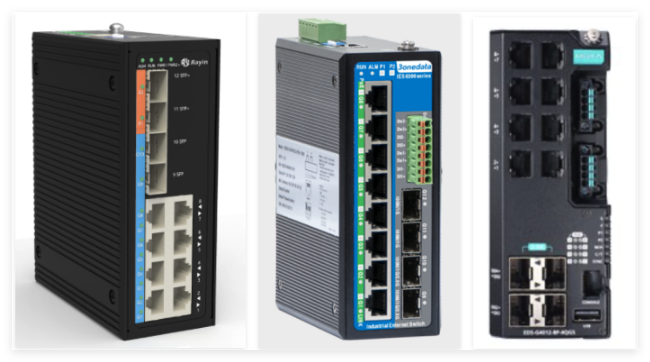
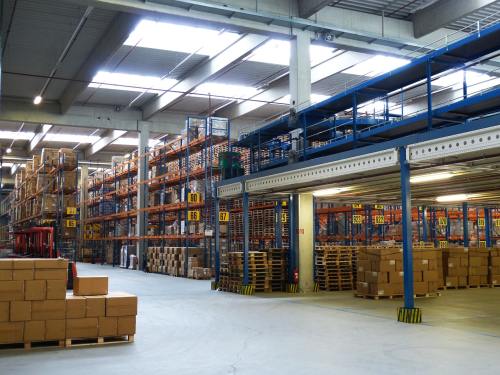
Industrial switches can be used in many different scenarios. There are gigabit PoE for factory surveillance cameras, full-gigabit switches for smart workshop networks, and DIN-rail switches for factory automation monitoring and so on. The housing of an industrial switch is not simply a "metal box or aluminum case"; it serves as the device's "skin" and "shield." The cost of the housing accounts for a big portion of the overall system, and it plays three crucial roles: heat dissipation, shielding, and protection. Combined with actual use cases, we will show you how to check the quality of industrial switches by their outer housings. 
I. Comparison of Good and Ordinary housing
First, let's look at the comparison between a good housing and an ordinary one.
To save costs, the housing of ordinary industrial switches is usually made from bent galvanized steel sheets. The thermal conductivity of iron is about 50-60 W/(m·K), which makes it easy for heat accumulated in specific areas. And because of the larger gaps in the metal seams, ordinary housing switches show very poor interference resistance in complex electromagnetic environments. Overall, the quality of ordinary industrial switches housing are quite basic. They are not solid and can only be used for simple indoor environment.
High-end switches, typically use aluminum alloy profiles as the primary housing material. Aluminum has good thermal conductivity, with a thermal conductivity coefficient reaching over 200 W/(m·K), which is four times of iron material. The heat generated during operation can quickly be transferred throughout the entire housing. Moreover, the surface of high-end switches' aluminum housings usually be designed uneven "wrinkles" or fins. This isn’t for looks, it’s mainly to increase the surface area for heat dissipation. Just like a car radiator, a larger contact area allows heat to dissipate into the air more quickly, ensuring that internal chips do not crash in up to 85°C high-temperature environments. In Addition, the joints of the housing are precisely manufactured, boasting exceptional electromagnetic shielding capabilities to resist external high-frequency signal interference, ensuring stable data transmission. So high-end switches use solid materials and feature a sturdy structure, the quality normally is good. However, due to raw material costs and mold development processes, so the overall cost is relatively high.
Dimension | High-End Switch Solutions | Ordinary Switch Solutions |
Material | Extruded Aluminum | Sheet Metal |
Thermal Conductivity | Excellent (heat is quickly conducted throughout the entire Housing) | General (heat easily accumulates in local areas) |
Surface Area | Wave/Finned Design (large heat dissipation area) | Flat Surface (small heat dissipation area) |
Shielding Capability | Strong Shielding (small gaps, high anti-interference) | Large joints gaps (High-frequency interference easily gets through.) |
Weight/Texture | Heavy, solid (feel of a pearwood comb) | Thin, light (feel of a plastic comb) |
Cost | High (requires mold, expensive materials) | Low (sheet metal bending, cheap materials) |
II. A good housing is an "invisible Faraday cage," serving as a line of electromagnetic shielding
Why plastic housings can't be used in high-interference environments such as automotive welding workshops and substations? The main reason is because plastic cannot block electromagnetic interference. When there is strong external electromagnetic interference, the metal housing of an industrial switch forms a complete Faraday cage. The metal housing can guide these interference currents to the ground, thus protecting the internal fragile PCB circuit board. A high-quality housing serves as an electromagnetic shielding barrier. It can effectively resist external electromagnetic interference and prevent internal signal leakage, ensuring stable operation of the switch.
Let's take a simple example, we use full-gigabit industrial switches in smart manufacturing workshops. Robotic arms and welding equipment work continuously on automotive welding lines, the electromagnetic environment here is extremely harsh. Switches with plastic housings cannot resist such interference, electromagnetic waves will invade the device, causing frequent network drops and data anomalies, or even complete shutdown. A metal housing, however, can isolate most interference. Also with proper grounding, induced interference current is diverted to the ground. It shields the device from external disturbance and prevents internal signal leakage that may affect surrounding equipment. Such shielding ensures reliable operation in complex industrial environments. Therefore, a well-made metal housing is essential for anti-electromagnetic interference protection.
III. A good design of a iron housing for switches must have good grounding contacts
In actual production processes,the surface of iron housing switches usually needs a painting process. If the paint on the housing is too thick, it can lead to insulation issues, significantly diminishing the effectiveness of electromagnetic shielding. A good structural design will reserve a dedicated conductive oxidation area to ensure that the housing is not only a physical housing but also an electrical shield. Why do we specially reserve areas for conductive oxidation? What is the purpose of this design?
Design 1: A Distinctive “Boundary Line”
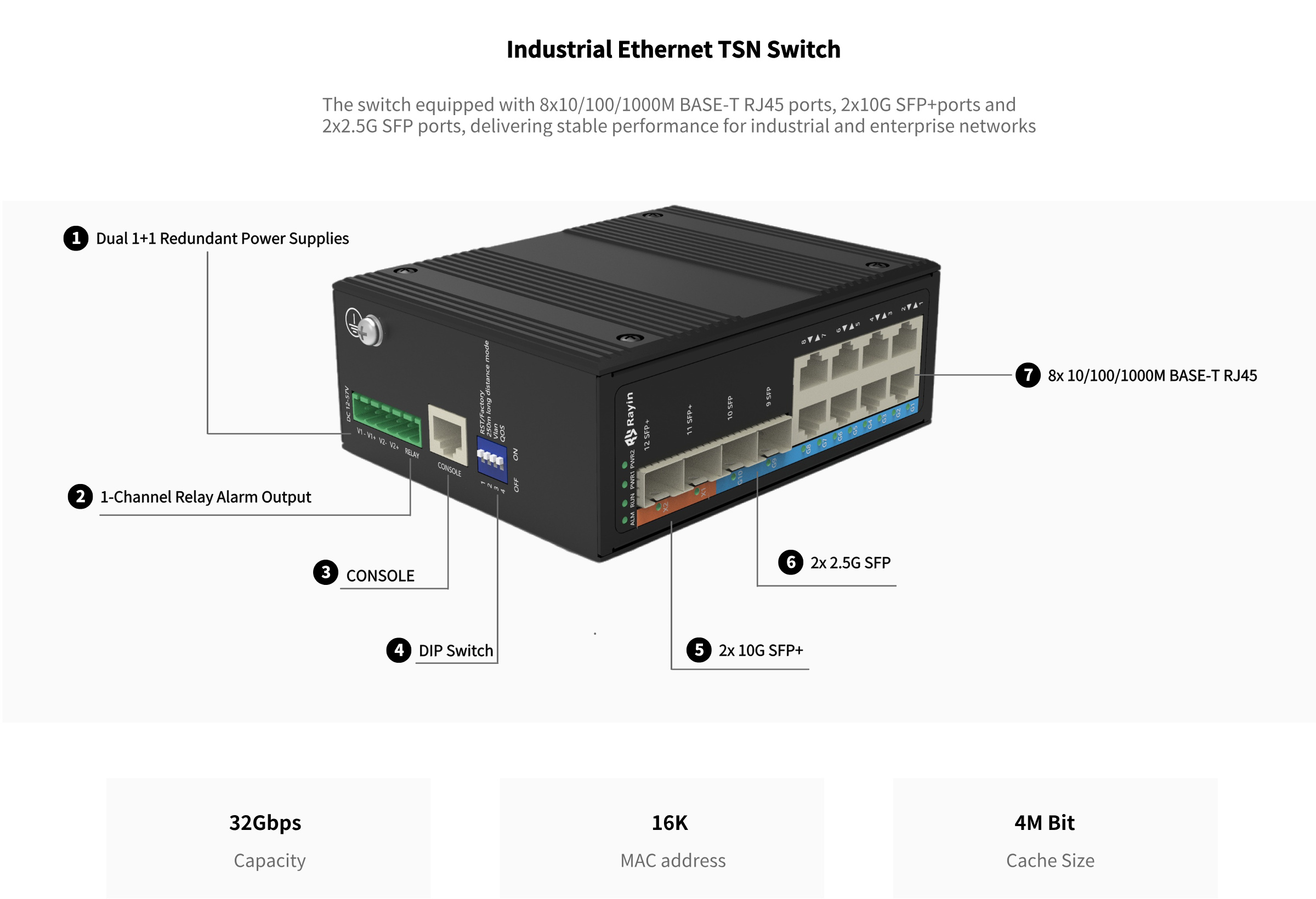
The surface of the iron-cased switch is covered in black, representing a colored area. The large area of the housing is typically coated with insulating spray, baked paint, or anodized for corrosion protection and better appearance. This layer of paint is insulating. The silver area around the screw holes, namely the exposed metal areas, is reserved for the conductive oxidation area.
Design 2: Why is there “white space” around the screw holes?
When two metal housings are assembled, if the paint on the contact surfaces is not scraped off, they will be electrically disconnected. By reserving exposed conductive surfaces, when the screws are tightened, the contact surfaces of the two metals can form a low impedance pathway, effectively turning the entire device housing into a Faraday cage.
Design 3: What is “Conductive Oxidation”?
To prevent the exposed bare metal from rusting, the professional method is not merely to leave it bare, but to apply a layer of “conductive oxidation (also known as a chemical conductive film, like Alodine treatment).”
This layer not only prevents rust but also conducts electricity. This ensures that after five or ten years, the grounding surface will not fail because of oxidation and rust, and keep maintaining shielding effectiveness.
IV. Recommended Application Scenarios
Based on the above introduction and actual application scenarios, we give some general recommendations for selecting housings of industrial switches, as follows:
Firstly, iron-cased switches are more suitable for basic application scenarios, primarily used in dry, ordinary indoor environments such as offices, commercial buildings, and homes with minimal electromagnetic interference. For budget-constrained small projects, low-end commercial scenarios, or equipment intended for short-term use, this type of product offers very high cost-effectiveness. They can also be used in workshops with high vibration intensity, low environmental temperatures, and where regular anti-rust maintenance can be conducted.
Secondly, the aluminum alloy housing switch is suitable for a wider range of scenarios, particularly in various complex industrial environments. First, it can be used in industrial environments such as factories, power plants, rail transit, and outdoor cabinets, like, industrial switches for park security monitoring systems, gigabit industrial switches for mine monitoring networks, and industrial switches for intelligent traffic road surveillance; second, it is very suitable for multi-port, high-power PoE power supply and high-load devices for long term; third, in humid areas with salt fog, acid and alkali corrosion, or in harsh climatic environments such as coastal or outdoor settings, the aluminum alloy housing can effectively resist erosion; fourth, it is also recommended for high-frequency precision scenarios in medical, security, and data centers that have strict electromagnetic interference control and require stable signal transmission; fifth, it is suitable for scenarios such as DIN rail, wall-mounted, high places, and narrow spaces.
V. Summary and Recommendations
If the project has high requirements for the long-term stability of the equipment, or if it is used in industrial, outdoor, high-load, and strong interference environments, it is recommended to choose switches with aluminum alloy housings, because they offer better overall performance and service life. If it is only used in ordinary indoor settings, the budget is tight or the equipment is for short-term use, it is recommended to choose a switch with an iron housing. When purchasing, you should pay attention to the crafts details, for iron housing switch, it must use a galvanized and plastic-coated treatment, and should ensure rust protection at the cut and weld points; for aluminum alloy switches, you should choose a housing that is die-cast and anodized, which can further enhance heat dissipation and corrosion resistance.
Rayin Technology, we are committed to delivering highly resilient, secure and controllable network infrastructure for industrial digital transformation. Our product portfolio fully covers access devices such as industrial switches, industrial personal computers, industrial PON and industrial Wi-Fi, providing customers with comprehensive network upgrade solutions. If you have questions about purchasing industrial switches, feel free to visit Rayin Technology's official website (www.szrayin.com) for consultation.